Celebrity-backed brands have become a familiar part of modern retail. From non-alcoholic beverages to better-for-you pantry staples and functional hydration, celebrity involvement can give a product an instant advantage: people notice it faster.
But retailer feedback tells a more nuanced story.
Celebrity can help a brand get discovered, secure early trial, and perform well during launch windows or high-visibility placements. What it cannot guarantee is sustained shelf velocity. Once the endcap comes down, the promo ends, or the novelty fades, the product has to compete like everything else in the category.
Across Cohere Commerce retailer insights, a consistent pattern emerges: celebrity helps brands earn attention, but repeat purchase decides who actually stays on shelf.
The Awareness Advantage Is Real
Celebrity-backed brands often enter retail with built-in recognition. Shoppers may already know the founder, have seen the product on social media, or feel curious enough to try it once. This creates early momentum, especially in categories where discovery is difficult.
Retailers often see this show up through:
- Strong initial curiosity
- Trial during promotional moments
- Lift from endcaps and featured placements
- Faster awareness than traditional emerging brands
But the real test begins after the first purchase.
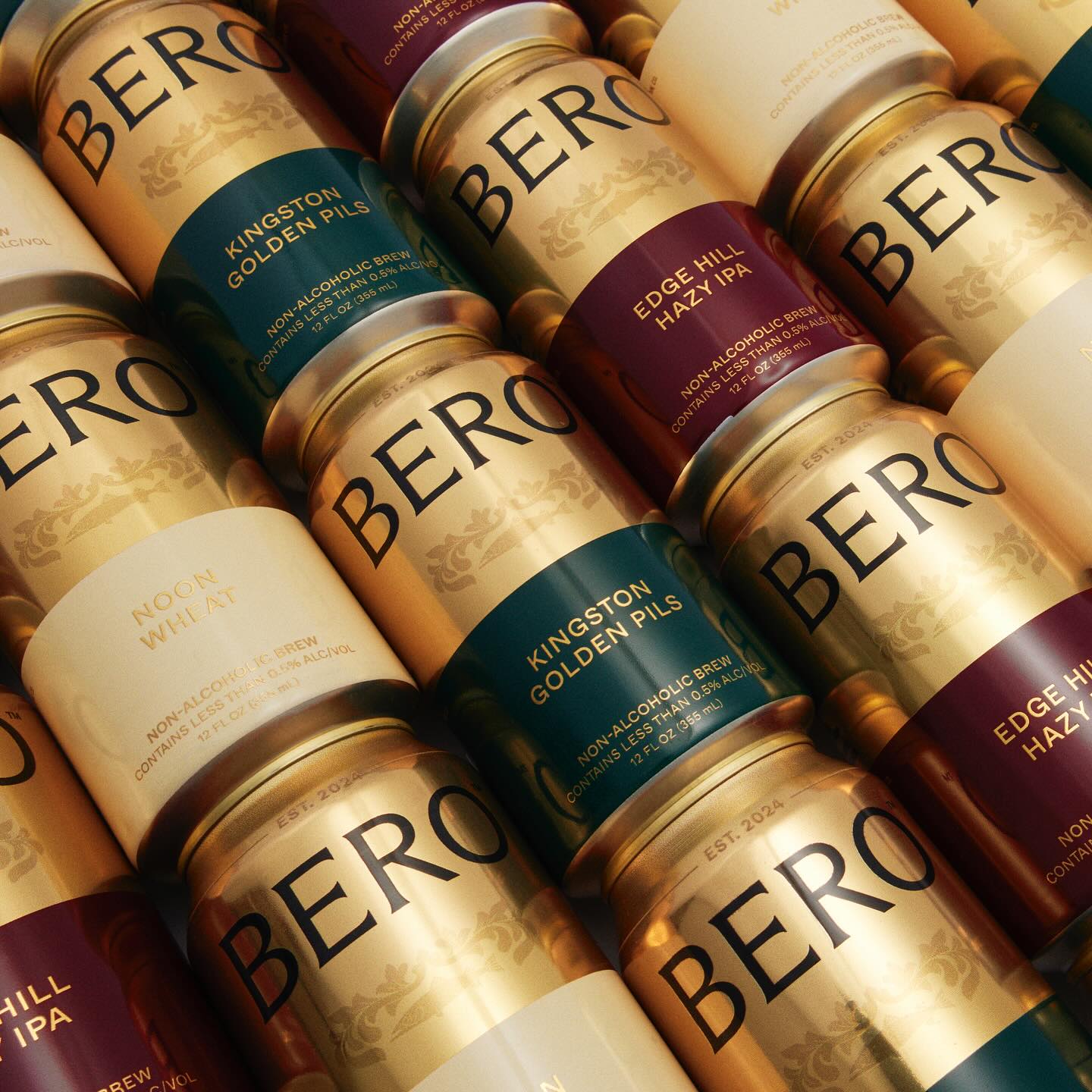
BERO: Strong Visibility, Slower Everyday Pull

BERO, founded by actor Tom Holland, enters the non-alcoholic beer category with a clear lifestyle proposition: premium social drinking without alcohol.
Retailer feedback suggests the brand benefits from moments when non-alcoholic beverages are already top of mind, especially Dry January and featured placements. When the product is on display or tied to a seasonal occasion, shoppers are more likely to notice and try it.
The challenge is maintaining that same velocity in the standard beer set, where the brand competes against established non-alcoholic and traditional beer players.

Key retailer signals:
- Stronger performance during Dry January and featured sets
- Noticeable slowdown once removed from high-visibility placements
- More limited pull when sitting in the regular beer aisle
- Needs continued awareness-building to compete with category incumbents
Shelf reality: BERO moves when featured, but everyday velocity is still developing.
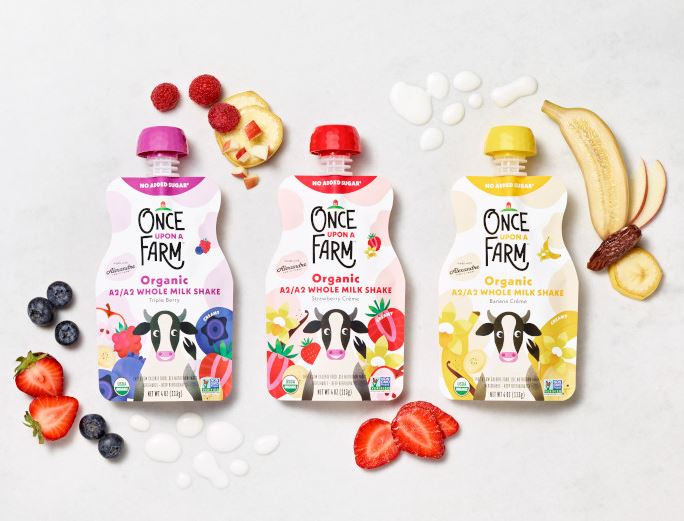
Once Upon A Farm: Celebrity Awareness Meets Real Routine

Once Upon A Farm, co-founded by Jennifer Garner, shows what happens when celebrity awareness is paired with a clear consumer need and repeatable use case.
In organic kids nutrition, the purchase decision is not just about novelty. Parents repurchase when a product fits into their routine, satisfies kids, and feels trustworthy. Retailer feedback suggests Once Upon A Farm has built that kind of consistency.
Rather than relying solely on founder recognition, the brand benefits from everyday need states: snacks, lunchboxes, convenience, and parent-approved ingredients.

Key retailer signals:
- Consistent repeat purchases
- Multi-unit baskets
- Strong kid-driven demand
- Reliable velocity across different store types
- Less dependent on promotions or secondary placement
Shelf reality: Once Upon A Farm sells consistently because it has moved from trial into household routine.
De Soi: Trial Is the Unlock

De Soi, founded by Katy Perry and Morgan McLachlan, plays in a more education-dependent space: premium non-alcoholic apéritifs.
Retailer feedback suggests the brand has a loyal audience, but initial conversion can be slower. The price point, format, and occasion require more explanation than a familiar everyday beverage. Shoppers may be curious, but they often need sampling, education, or a clear usage occasion before committing.
This makes De Soi a strong example of a celebrity-backed brand where awareness opens the door, but trial experience does the heavier lifting.

Key retailer signals:
- Strong loyalty among repeat buyers
- Premium pricing can slow first purchase
- Sampling materially improves conversion
- Education helps shoppers understand the occasion and value
- Best positioned when retailers can tell the product story
Shelf reality: De Soi sells after trial, not always at first exposure.
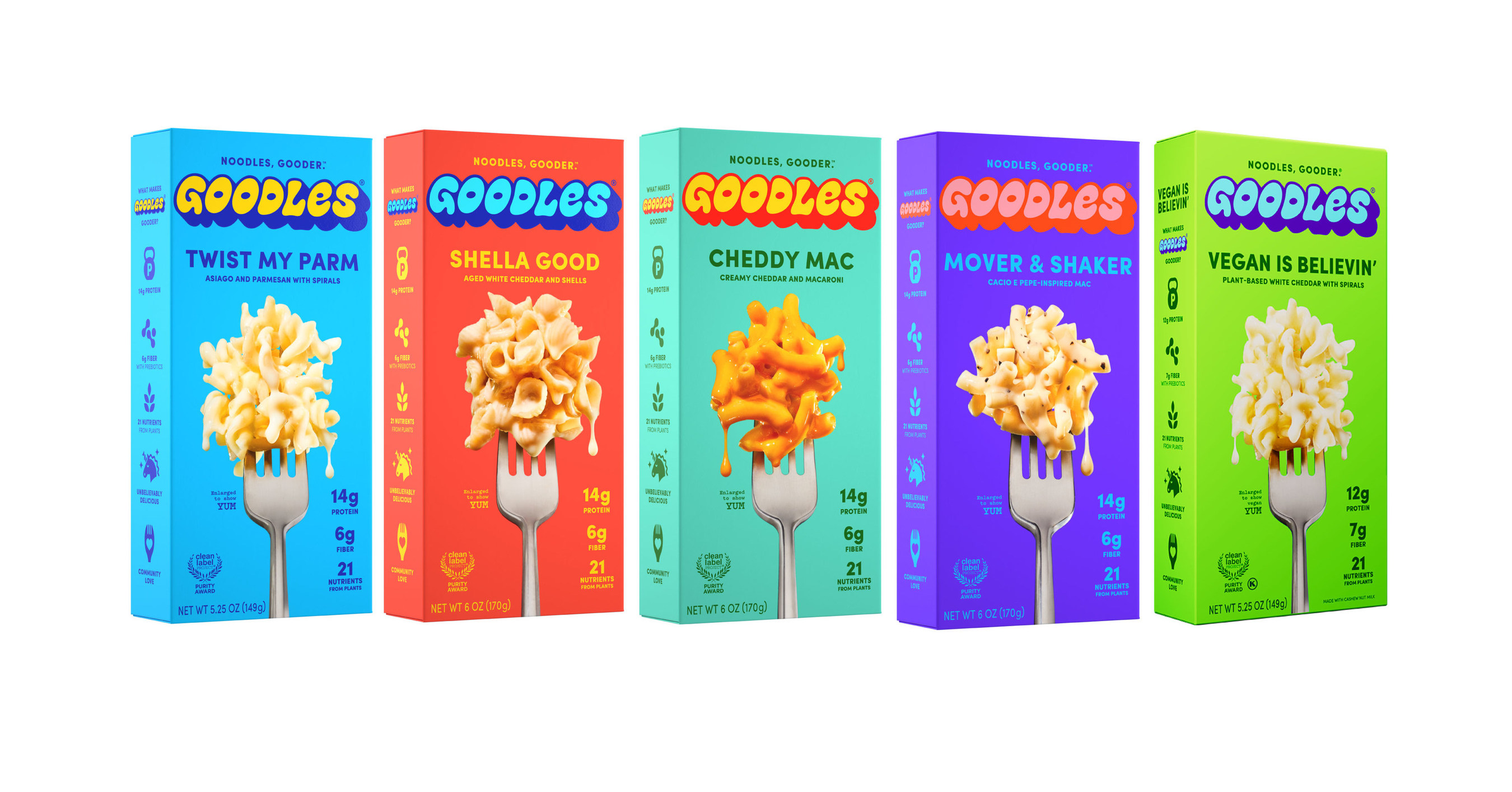
Goodles: Visibility Drives the Spike

Goodles, co-founded by Gal Gadot and Jen Zeszut, sits in a familiar but highly competitive category: boxed mac and cheese.
Because the category is already well understood, Goodles does not need to explain what the product is. Instead, the challenge is standing out from entrenched favorites and convincing shoppers to trade up to a better-for-you option.
Retailer feedback suggests Goodles performs especially well when supported by visibility and promotion. Hero SKUs drive much of the velocity, while endcaps and deals can create meaningful sales bursts. On the regular shelf, movement is steadier but less dramatic.

Key retailer signals:
- Hero SKUs carry most of the brand’s velocity
- Endcaps and promotions significantly lift sales
- Regular shelf placement produces more moderate movement
- Strongest when visibility interrupts habitual category shopping
- Needs continued support to drive trial beyond loyal buyers
Shelf reality: Goodles sells in bursts tied to visibility, promo cycles, and standout SKUs.
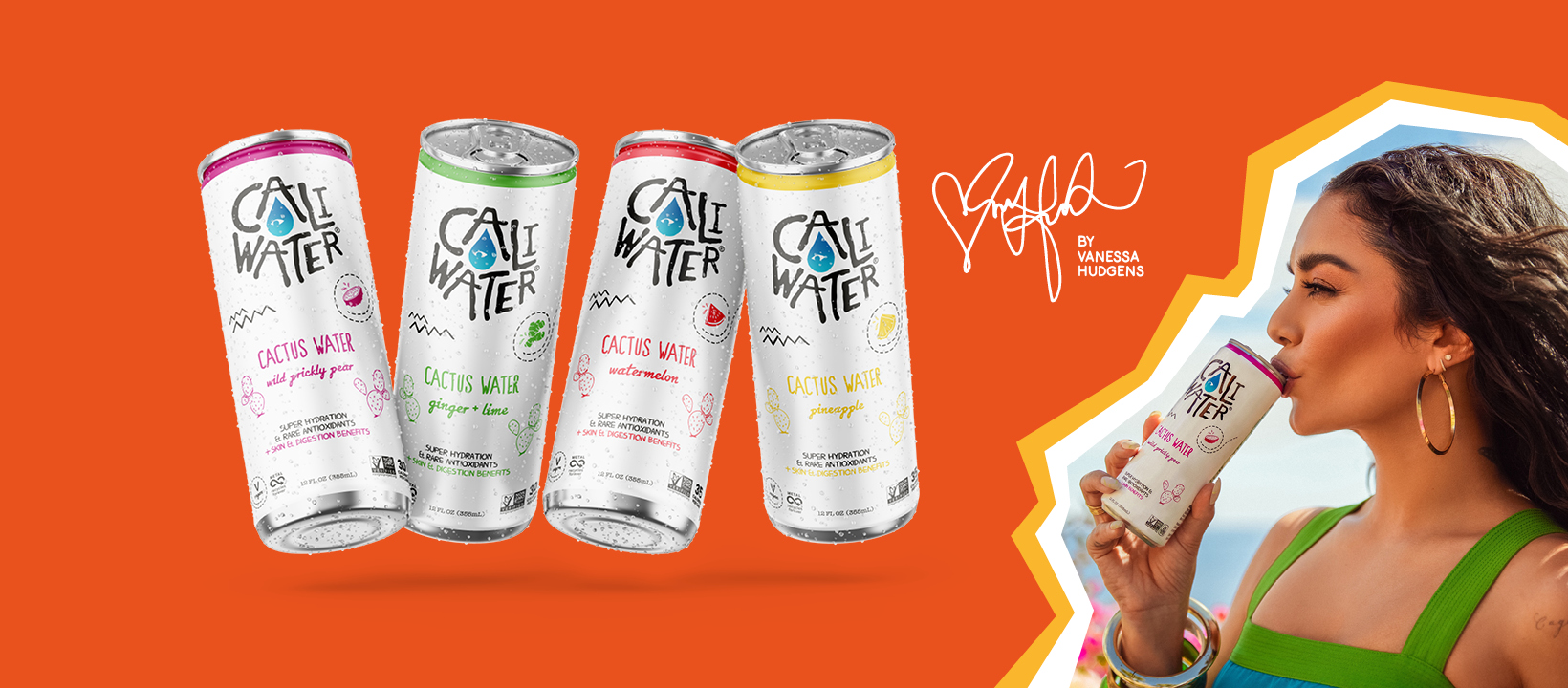
Caliwater: Discovery Is the Challenge

Caliwater, founded by Vanessa and Stella Hudgens, is positioned around cactus-based functional hydration. Its challenge is different from brands in more established categories: shoppers may not immediately understand the format, ingredient, or reason to buy.
Retailer feedback suggests the product can perform when discovered, particularly among wellness-forward shoppers. However, shelf presence alone may not be enough to drive broad conversion. Flavor preference also matters, with Pineapple emerging as a stronger performer.

Key retailer signals:
- Awareness is more limited outside wellness-focused consumers
- Pineapple consistently leads performance
- Product needs stronger discovery cues at shelf
- Shoppers may need education around cactus-based hydration
- Passive placement is less likely to drive conversion
Shelf reality: Caliwater sells when shoppers discover and understand it, not simply because it is on shelf.
What Retailers Are Really Measuring
The broader insight is not that celebrity brands succeed or fail. It is that celebrity influence creates an opening, not a guarantee.
Retailers are ultimately watching:
- Does launch curiosity turn into repeat purchase?
- Does the product move without an endcap?
- Can it compete in the regular set?
- Does the price match the perceived value?
- Do shoppers understand the occasion or use case?
- Are buyers coming back for the product, or just trying it once?
The brands that perform best tend to share one thing: they give consumers a reason to return after the celebrity connection has done its job.
Cohere Commerce Takeaway
Celebrity gets products noticed. Retail fundamentals decide what happens next.
A famous founder can accelerate awareness, drive early trial, and help a brand break through crowded categories. But long-term shelf performance still depends on product quality, category fit, pricing, merchandising, and repeat purchase behavior.
For retailers, the key is separating initial excitement from sustainable velocity. For brands, the opportunity is to use celebrity awareness as the top of the funnel—but not treat it as the whole strategy.
The shelf ultimately rewards products that become part of a shopper’s routine. Awareness may get the first purchase, but repeat purchase is what earns the next order.