Chia seeds have evolved from a niche superfood into a dependable pantry staple. According to Cohere retailer intelligence, shoppers are no longer buying chia seeds only during health kicks or wellness trends. Instead, retailers are seeing repeat purchases from customers who have incorporated chia seeds into their everyday routines.
As demand becomes more consistent, retailers are finding that success in the category depends less on novelty and more on offering the right mix of value, convenience, and merchandising. Products that are competitively priced, available in practical pack sizes, and easy to discover continue to generate the strongest results.

What's Driving Growth
Everyday Wellness Is Fueling Repeat Purchases
Retailers consistently report that chia seeds sell more steadily than many adjacent superfoods, including powders and functional blends.
Instead of serving as an occasional wellness purchase, chia seeds have become a pantry staple used in smoothies, yogurt, oatmeal, baking, and meal prep. That everyday versatility creates reliable repeat purchases and makes the category less dependent on new product launches or seasonal demand.
Value Is Winning More Shoppers
Price continues to be one of the biggest purchase drivers.
Retailers regularly see shoppers comparing bag size and price before making a decision. Store brands often lead the category because they offer larger bags at competitive prices, while premium brands remain successful when they clearly communicate their value through organic certification, ingredient quality, or trusted branding.
Retailers say shoppers prioritize:
- Competitive price per ounce
- Larger pack sizes for everyday use
- Trusted, recognizable brands
- Organic certification for premium purchases

Smaller Pack Sizes Encourage Trial
Retailers also report strong demand for smaller bags, particularly among first-time buyers and budget-conscious shoppers.
Lower entry prices reduce purchase hesitation and make it easier for customers to try the category. Several retailers noted that smaller bags of black chia seeds often outperform larger bags and white chia seed varieties because they offer a lower upfront investment while still meeting everyday needs.
Once shoppers establish the habit, many return for larger pack sizes.
Better Merchandising Creates More Visibility
Retailers consistently say merchandising has a measurable impact on sales.
Secondary placements help move the category beyond the baking aisle and remind shoppers how easily chia seeds fit into everyday meals. Temporary promotions and sampling events also increase trial, particularly for premium brands.
Retailers report stronger movement when chia seeds are featured in:
- Secondary displays
- Dump bins
- Checkout areas
- Dairy departments near yogurt
- Promotional endcaps
- Temporary price promotions
What Retailers Are Stocking
Everyday Value Leaders
These brands consistently generate repeat purchases and appeal to shoppers looking for affordable pantry staples.
- 365 Whole Foods Market: Strong value positioning with larger pack sizes that support repeat purchases.
- Spectrum: Well-established brand with steady movement and broad shopper recognition.
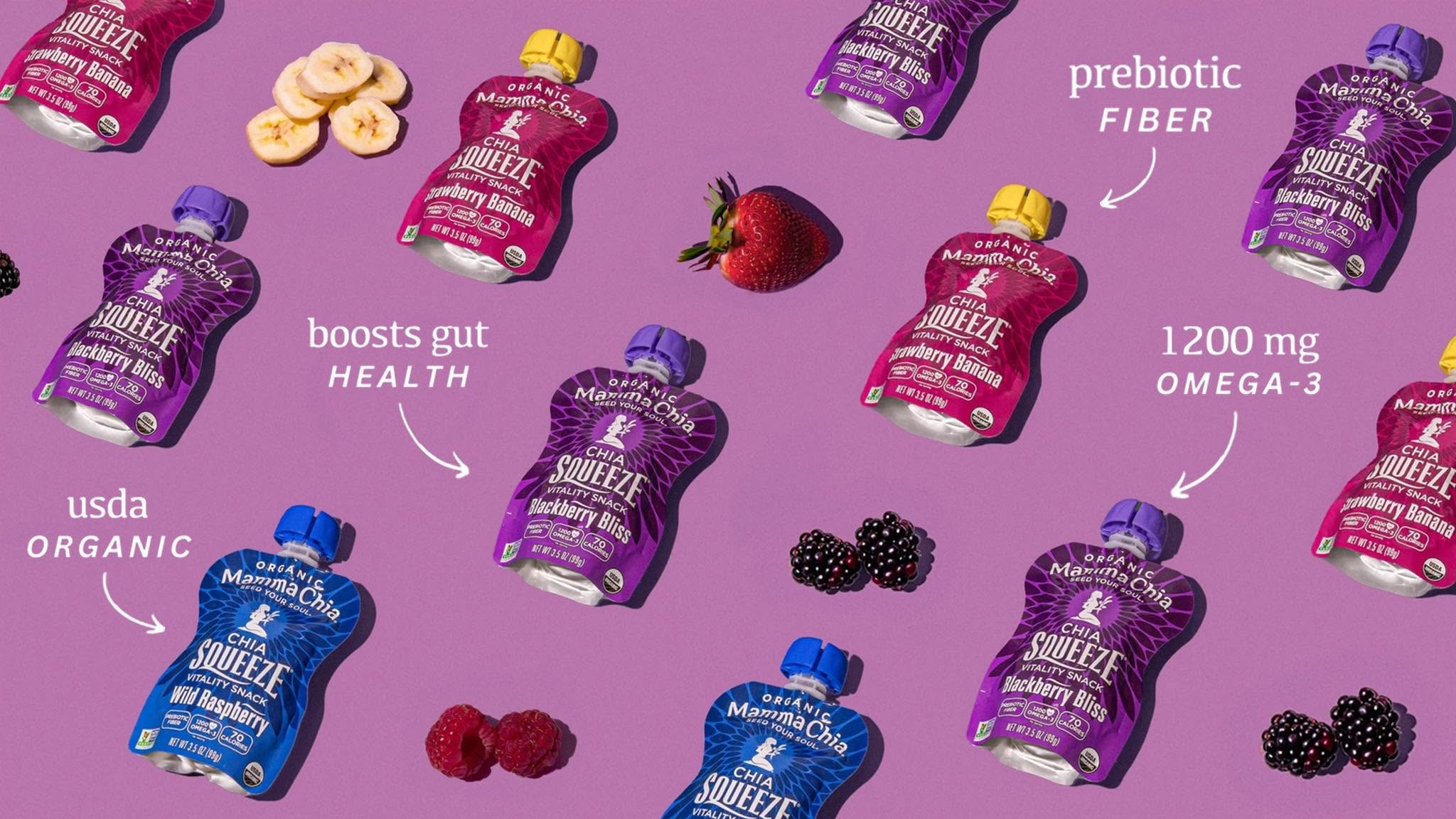
- Mamma Chia: Smaller pack sizes attract first-time buyers while maintaining consistent everyday demand.

Premium Organic Choices
Retailers continue to carry premium brands for shoppers seeking organic certification and higher-quality ingredients.
- Navitas Organics: Trusted organic brand with strong repeat purchases and premium positioning.
- Mamma Chia: Adds premium differentiation through convenient packaging and recognizable branding.
Products That Benefit Most From Promotions
Retailers report that certain brands respond especially well to merchandising support and secondary placement.
- Navitas Organics: Sales increase noticeably during promotions and off-shelf displays.
- Mamma Chia: Smaller bags perform well in checkout displays and other impulse purchase locations.
Cohere Commerce Takeaway
Retailer feedback shows the chia seed category has matured into a dependable source of repeat sales. Rather than relying on wellness trends alone, growth is now being driven by products that offer everyday value, practical pack sizes, and clear use cases that fit naturally into shoppers' routines.
For retailers, the opportunity is to balance value-oriented products with premium organic options while increasing visibility through secondary merchandising and promotional activity. Brands that combine competitive pricing, convenient formats, reliable availability, and strong merchandising support are best positioned to earn additional shelf space as the category continues to grow.