Honey is no longer competing only with sweeteners.
Across natural grocery, wellness retail, and functional health sets, honey is increasingly behaving like a wellness category, competing directly with immune support, throat care, daily supplementation, and preventative health products.
Retailer feedback across the Cohere Commerce platform shows a category becoming more segmented, more premiumized, and more purpose-driven. Shoppers are no longer simply buying honey for taste or pantry use; they are increasingly buying it for a specific health outcome. That shift is fundamentally changing what performs at shelf.
Honey Is Splitting Into Functional Use Cases

One of the clearest patterns emerging from retailer reviews is that honey is fragmenting into distinct wellness occasions. Instead of shopping the category broadly, consumers are increasingly purchasing for:
- immune support
- throat soothing
- daily wellness routines
- energy support
- functional sweetening
This helps explain why traditional commodity honey often struggles to differentiate, while products tied to a clear wellness benefit continue gaining traction.
Retailers repeatedly noted that products with clearly communicated functionality, especially around immunity and therapeutic use, generate stronger repeat purchase behavior than products positioned around taste alone.
The implication is important: honey is becoming less of a food purchase and more of a wellness decision.
Credibility Is Driving Higher-Priced Purchases

The strongest-performing honey products are not necessarily winning because they feel indulgent. They are winning because they feel credible.
Retailers consistently highlighted shopper interest in:
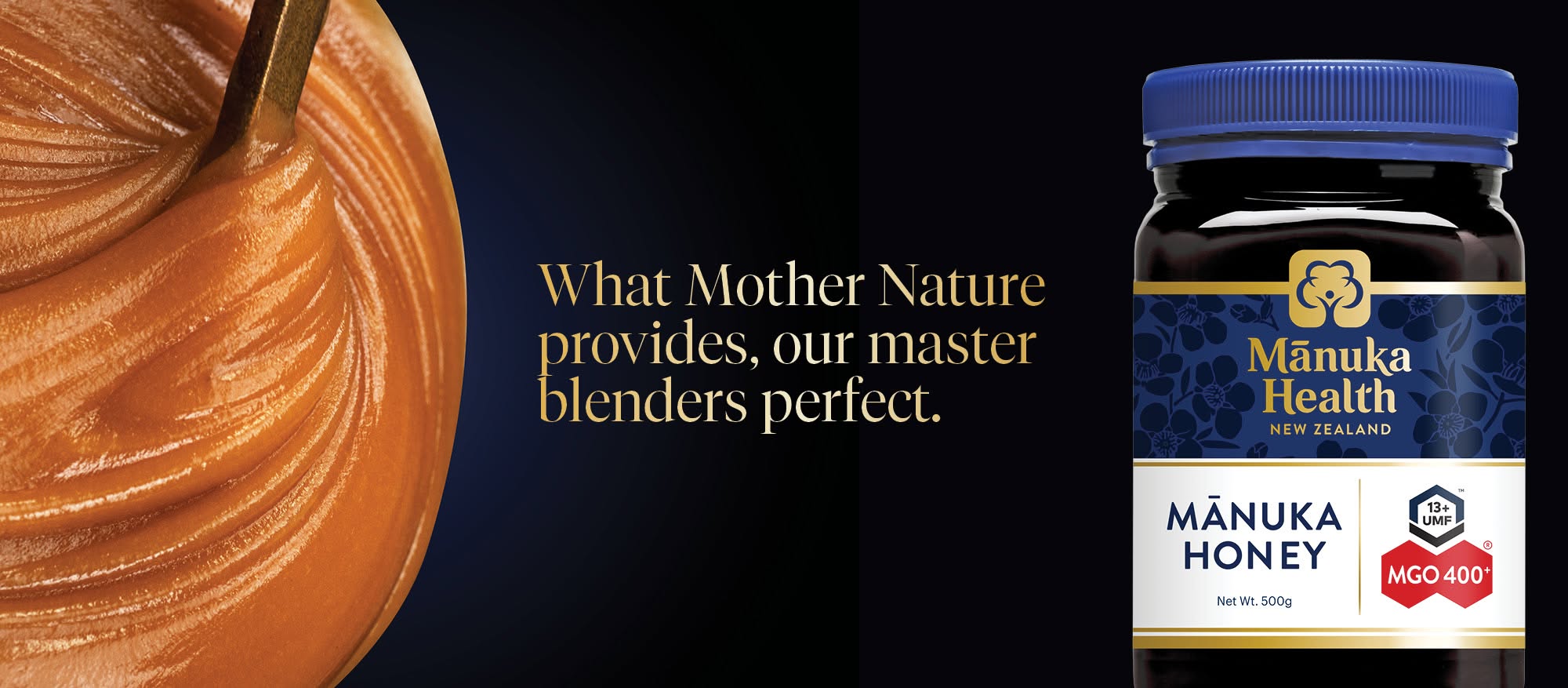
- UMF and MGO ratings
- sourcing transparency
- propolis content
- purity claims
- ingredient simplicity
In many stores, higher-priced Manuka products continue outperforming despite premium pricing because shoppers increasingly associate elevated ratings and certifications with measurable effectiveness.
This is especially notable in today’s cautious spending environment. Retailers repeatedly described shoppers as price-aware across most wellness categories, yet still willing to spend significantly more on honey products perceived as therapeutic or medically adjacent.
That suggests the category’s pricing power is increasingly tied to trust and efficacy rather than traditional premium branding alone.
Convenience-Led Formats Are Winning Shelf Space

Convenience is also reshaping the category.
Portable formats such as:
- honey sticks
- propolis sprays
- lozenges
- single-serve wellness formats
continue gaining traction because they align with modern wellness behavior: fast, preventative, and routine-based.
Retailers repeatedly described these products as easier to trial, easier to understand, and more compatible with daily health habits than larger traditional jars.
At the same time, traditional jar formats still perform strongly when paired with:
- clear benefit communication
- premium certifications
- visually trustworthy packaging
- educational labeling
The takeaway is not that jars are declining, but that format now needs to match occasion.

Retailers consistently noted that the products moving fastest are the ones making benefits easiest to decode at shelf. This includes:
- visible UMF/MGO ratings
- immune support positioning
- clean ingredient communication
- tamper-evident packaging
- concise functional claims
Brands relying solely on premium positioning or ingredient quality without clear shopper education were far more likely to blend into crowded wellness sets.
Looking Ahead
The honey category is evolving into something much larger than traditional grocery. It is becoming part of the broader functional wellness economy, competing for the same shopper missions as supplements, immunity products, and preventative health solutions.
As that shift accelerates, the brands most likely to scale will not simply be the ones with the highest-quality honey. They will be the ones that communicate purpose most clearly, reduce friction at shelf, and successfully position honey as part of a daily wellness routine rather than a pantry staple.
In today’s retail environment, shoppers are no longer asking, “Which honey should I buy?”
They are increasingly asking, “What is this honey going to do for me?”