Gluten-free has reached Breakout momentum in Cohere Trends, with projected growth of +671%, but retailers say the category is evolving in an important way. Gluten-free is no longer a destination for a small group of shoppers. It has become one of several attributes customers look for when evaluating overall product quality.
Retailers increasingly see shoppers comparing gluten-free products alongside conventional brands instead of treating them as specialty alternatives. That shift has raised expectations. Products are no longer rewarded simply for being gluten-free. They need to compete on taste, convenience, nutrition, and value just like every other product on the shelf.
For brands, that means gluten-free is becoming an entry point rather than a competitive advantage on its own.
Why It's Selling

Taste determines whether shoppers return
Retailers consistently say shoppers are willing to try new gluten-free products, but repeat purchases depend almost entirely on whether the product delivers a familiar eating experience.
Brands like Jovial, Feel Good Foods, Nowhere Bakery, and Cascadian Farm continue to build loyal followings because customers feel they are buying a great product, not settling for a gluten-free substitute.
As more brands enter the category, taste is becoming one of the strongest differentiators. Products that closely match the texture and flavor of traditional options are far more likely to earn repeat purchases and long-term shelf space.
Gluten-free performs best when paired with other benefits
Retailers rarely describe gluten-free as the primary purchase driver. Instead, shoppers are increasingly looking for products that solve multiple needs at once.
The strongest-performing products often combine gluten-free with benefits such as:
- High protein
- Organic ingredients
- Dairy-free formulations
- Allergen-friendly positioning
- Cleaner ingredient lists
- Added nutrition
Rather than shopping for a single dietary requirement, consumers are building shopping baskets around broader wellness goals. Products that address several of those priorities appeal to a much larger customer base than gluten-free alone.

Premium pricing depends on product quality
Retailers report that shoppers expect gluten-free products to cost more, but they also expect noticeably better quality.
Promotions remain effective for generating trial, yet retailers consistently say discounts alone rarely create lasting demand. Repeat purchases come from products that justify their premium through taste, consistency, and overall experience.
As more gluten-free options enter the market, price becomes easier to defend when the product clearly delivers value beyond the dietary claim.
Packaging reduces purchase hesitation
Retailers frequently mention that clear packaging helps shoppers make faster purchasing decisions.
Highly visible gluten-free labeling, simple ingredient messaging, and clean package design build confidence, particularly among shoppers comparing multiple wellness-focused products. Retailers also note that packaging communicating several benefits at once often attracts a broader audience than products emphasizing gluten-free alone.
What Retailers Should Stock

Everyday staples
These products consistently generate repeat purchases because shoppers incorporate them into everyday meals rather than occasional specialty purchases.
- Jovial for premium gluten-free pasta that competes directly with conventional pasta on taste and texture.
- Enjoy Life for trusted allergy-friendly baking products that remain household staples for many families.
- Pacha for breads and English muffins that continue building customer loyalty within everyday breakfast and sandwich occasions.
Better-for-you innovation
Retailers are seeing growing interest in products that combine gluten-free with broader wellness positioning.
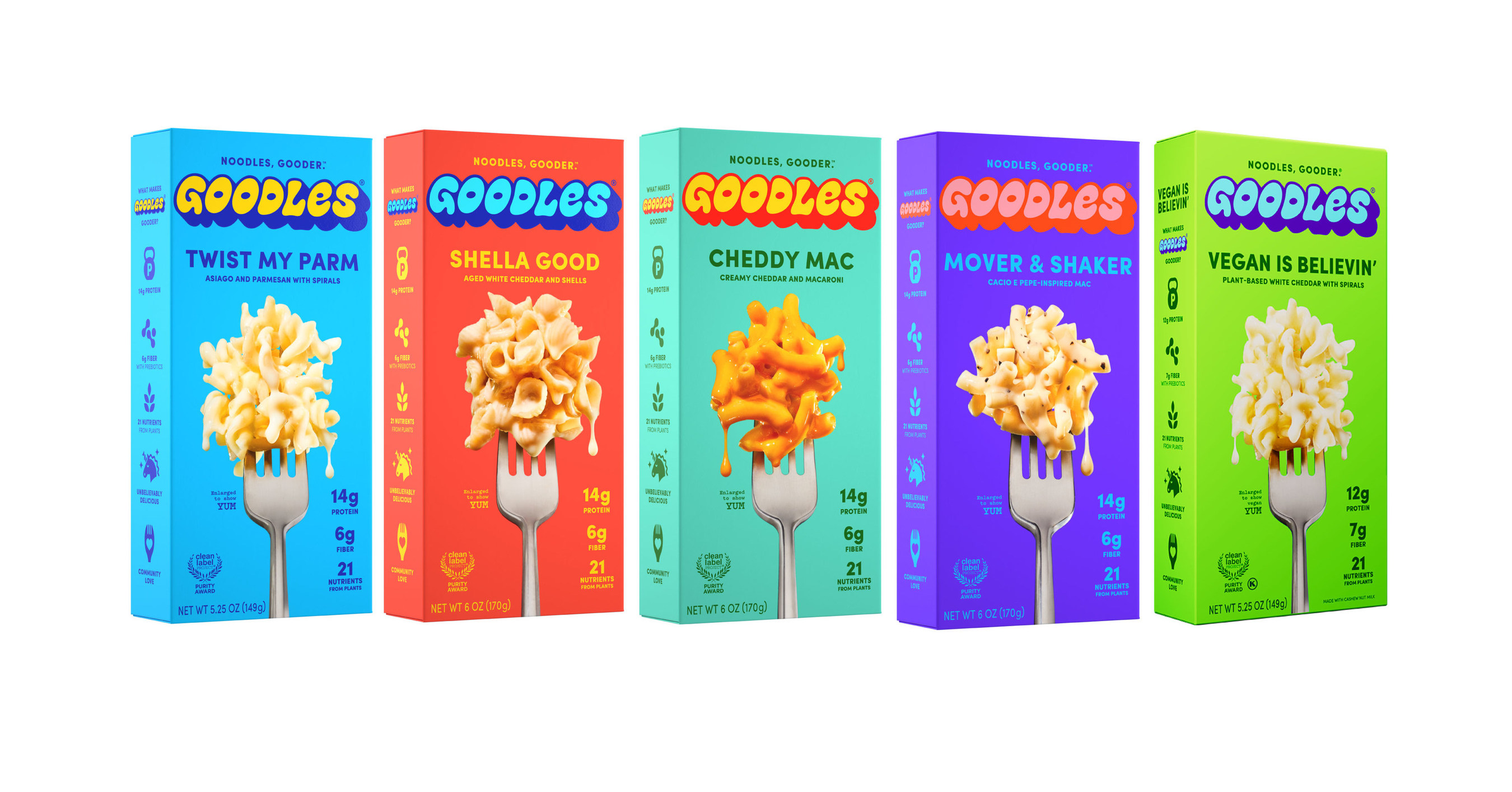
- Goodles pairs gluten-free with added nutrients and modern flavors.
- Khloud brings together gluten-free and high-protein benefits in a fast-growing snack segment.
- Good Good appeals to shoppers seeking gluten-free, keto-friendly, and plant-based attributes in one product.
Frozen favorites
Frozen continues to be one of the strongest opportunities for gluten-free growth because shoppers prioritize convenience without sacrificing taste.
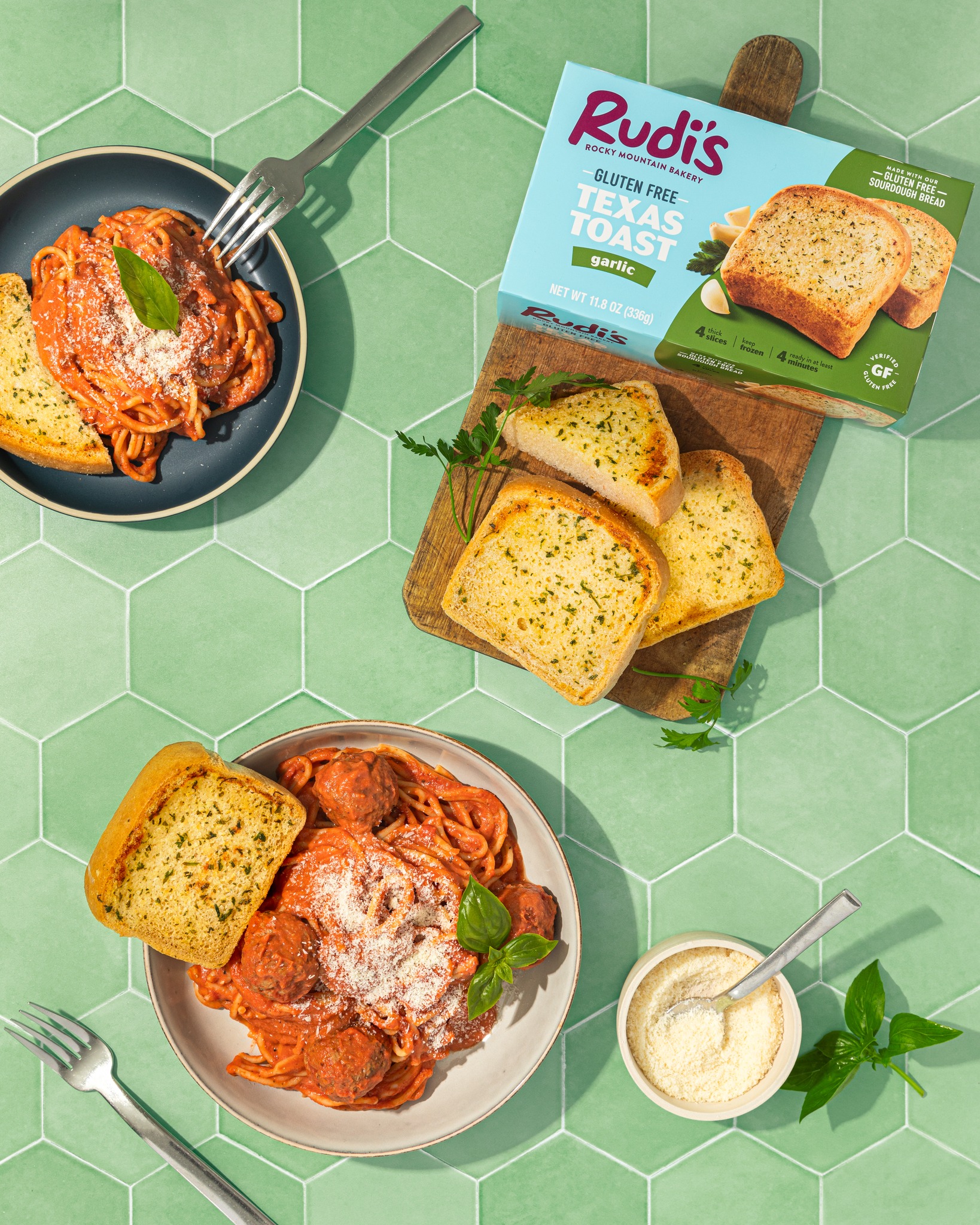
- Feel Good Foods consistently stands out with appetizers, breakfast items, and comfort foods that retailers say customers repeatedly purchase for both convenience and quality.

Cohere Commerce Takeaway
Retailer insights suggest gluten-free is becoming less of a specialty category and more of a baseline expectation for premium food products. The brands gaining the strongest traction are not asking shoppers to choose gluten-free over taste. They are delivering products that compete with conventional alternatives while offering additional benefits that align with broader wellness trends.
For merchants, the opportunity is not simply expanding gluten-free assortments. It is curating brands that deliver an exceptional eating experience while meeting multiple consumer needs at once. As gluten-free becomes increasingly mainstream, the products that combine great taste, trusted quality, and meaningful health benefits will be the ones that continue earning shelf space.
This version emphasizes category evolution, why retailers are seeing the shift, and what it means for merchandising, making it read more like a market insight report than a product roundup.