For years, low-calorie products were largely defined by what they took away. Today, a new group of emerging brands is taking a different approach by giving shoppers more within a controlled calorie range.
Protein, reduced sugar, fiber and smaller serving formats are becoming part of the equation. Instead of asking shoppers to compromise, these products are positioning calorie-conscious choices around everyday needs such as staying full, grabbing a quick snack or satisfying a craving.

A Lower Calorie Count Needs a Stronger Story
A low number on the package can attract attention, but brands are increasingly pairing it with another clear reason to buy.
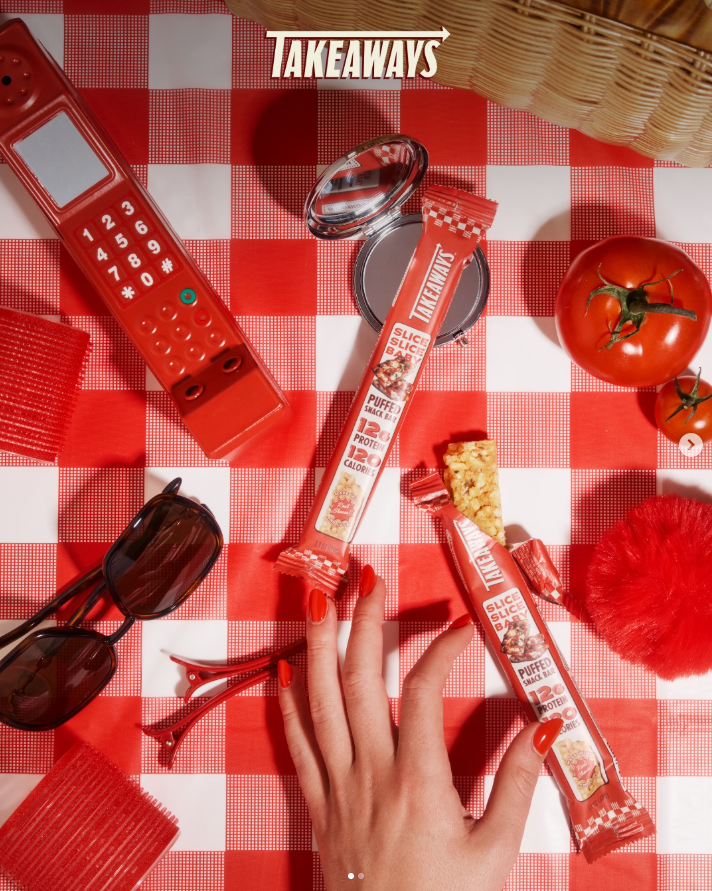
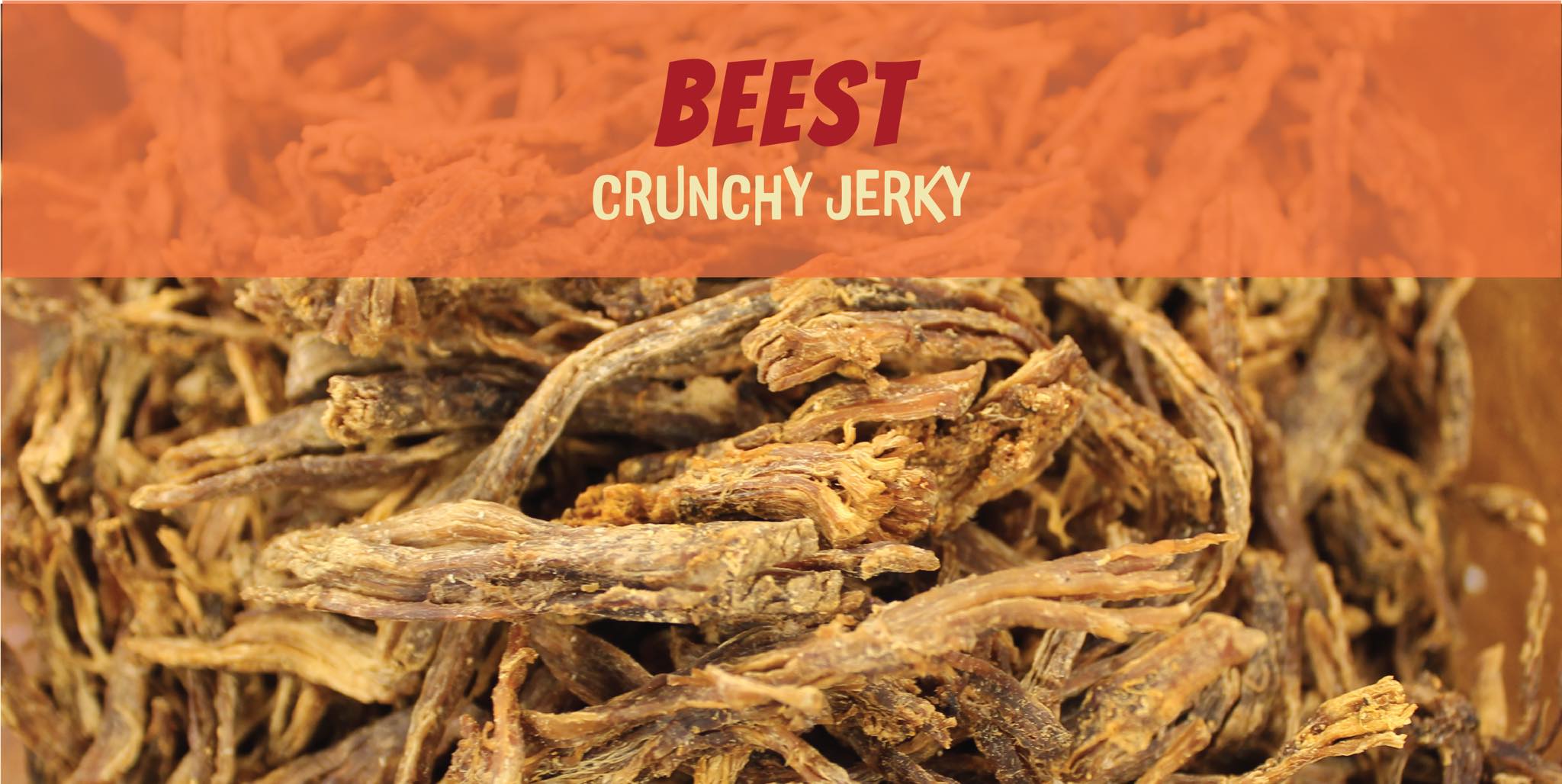
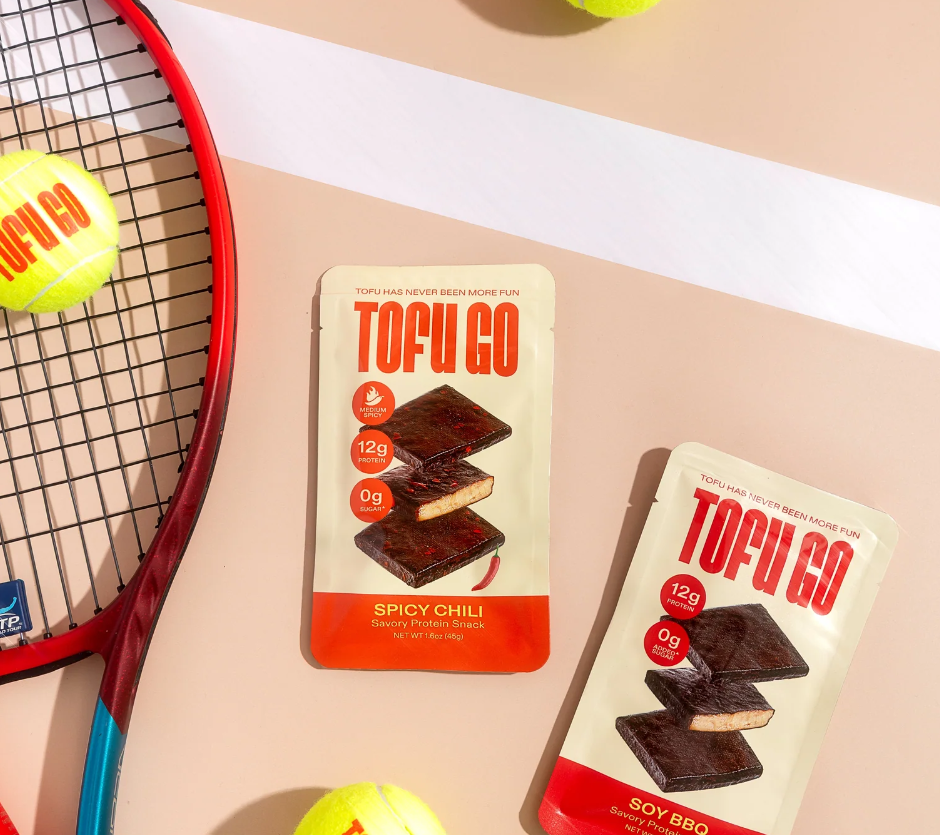
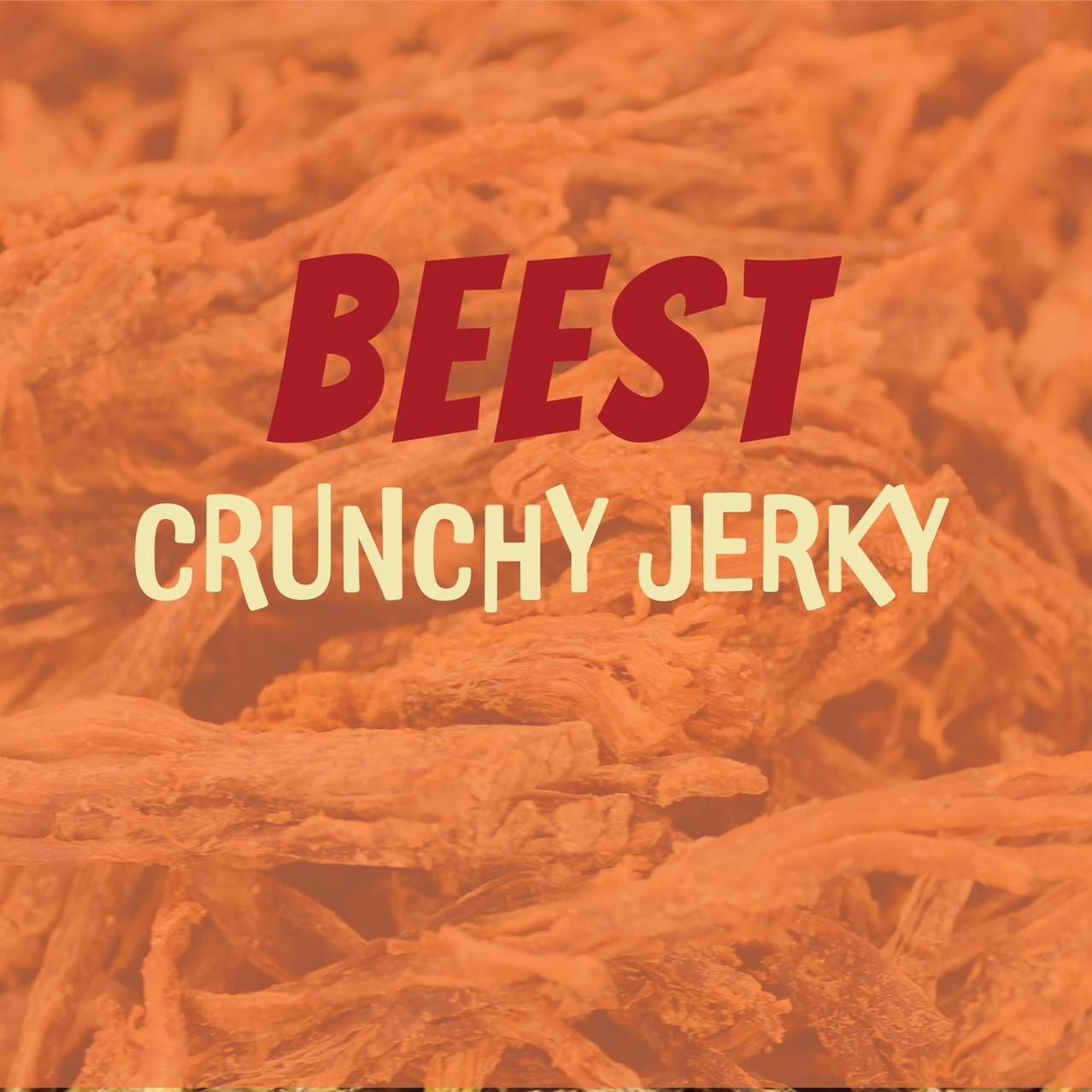
Takeaways delivers 12g of protein in a 120-calorie savory snack, while TofuGo offers 12g of protein with 0g of sugar. BEEST Snacks takes protein density even further with 24g per ounce and 0g of sugar.
These products suggest that the opportunity is shifting from simply being "light" to making each serving work harder nutritionally.
Portion Size Is Becoming Part of Product Innovation
Not every calorie-conscious product needs to reformulate an entire category. Sometimes the opportunity is in changing the format.
Mooski's 80-calorie Overnight Oat Bites turn an oat-based snack into a smaller, portion-controlled option. Formats like this can give shoppers more flexibility around when and how much they eat while keeping familiar foods in the routine.
For retailers, smaller portions can also open up opportunities around grab-and-go, lunchboxes and between-meal snacking.
Traditionally Sweet Categories Are Getting Lighter
Some of the more interesting innovation is happening in products where shoppers may not expect a calorie-conscious option.
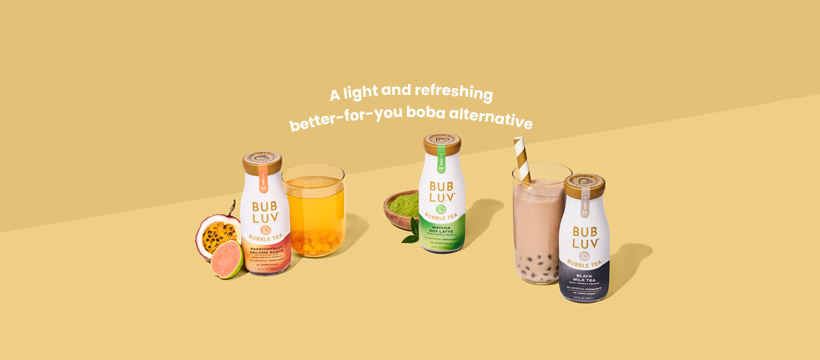
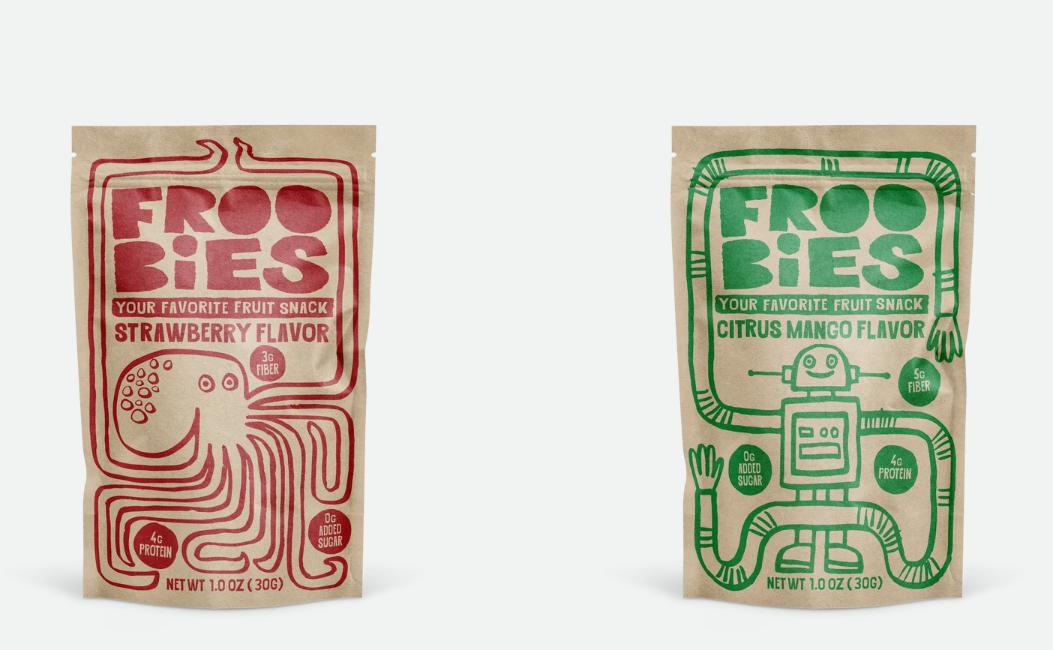
BUBLUV offers bubble tea with 20 to 50 calories and less than 1g of sugar, bringing a lighter alternative into an indulgence-driven beverage category. Froobies takes a similar approach to fruit snacks, combining no added sugar with protein and fiber.
Rather than creating another traditional "diet" product, these brands are adapting familiar experiences to fit changing nutritional priorities.
6 Emerging Brands Bringing a New Approach

Mooski
Mooski’s 80-calorie Overnight Oat Bites bring portion control to a familiar oat-based snack, offering a lighter option for everyday snacking.
Takeaways
Takeaways combines 120 calories with 12g of protein in a savory snack, giving shoppers an alternative to traditional sweet protein bars.
BUBLUV
BUBLUV brings a lighter approach to bubble tea with 20 to 50 calories and less than 1g of sugar, making an indulgent beverage easier to fit into calorie-conscious routines.
TofuGo
TofuGo offers a savory, tofu-based snack with 12g of protein and 0g of sugar, expanding protein snacking beyond bars and meat-based options.
Froobies
Froobies combines no added sugar with protein and fiber, giving the familiar fruit snack format a more nutrition-focused proposition.
BEEST Snacks
BEEST Snacks turns jerky into crunchy chips with 24g of protein per ounce and 0g of sugar, combining high protein with a familiar snacking experience.

What Retailers Should Watch
The strongest opportunity may be products that can communicate more than one benefit at a glance. A shopper might enter the aisle looking for protein, a lower-sugar option or something small enough for a quick snack, with calorie count becoming part of that broader decision.
That makes merchandising important. New formats should be placed where their use case makes sense, while packaging and shelf messaging should quickly explain the combination of benefits.
Where the Category Could Go Next
Protein-forward portion control is one area worth watching. Smaller snacks that deliver meaningful protein can address several needs at once, including convenience, portion awareness and satiety.
The bigger shift is that low-calorie CPG no longer has to sell shoppers on eating less. The emerging opportunity is helping them get more value from what they choose to eat.