Peptides are moving rapidly from niche wellness formulations into mainstream supplements and pharmacy retail. What began as a clinical and sports nutrition ingredient is now expanding into beauty, metabolic health, and recovery-focused products across the retail landscape.
The numbers reflect how quickly the category is scaling. The global peptide supplements market is projected to grow from $4.1B in 2025 to $11.2B by 2035, expanding at a 10.4% CAGR as consumer demand rises for preventive health, recovery support, and anti-aging solutions. Online retail currently accounts for 39.2% of distribution, and the United States remains the fastest-growing market with 11.3% CAGR.
Growth is also accelerating in therapeutics. The global peptide therapeutics market reached roughly $52.6B in 2025 and is projected to surpass $83B by 2034, fueled by increasing demand for targeted treatments for metabolic disorders, cancer, and chronic diseases.
Across supplements, pharmacy, and telehealth, peptides are shifting from emerging science to a scalable retail category.
The key question for brands and retailers is not whether peptides will grow. It is which segments are actually driving velocity on shelves.

Where the Velocity Is Coming From
Retail and supplement data suggest that peptide growth is being driven by a few clear consumer use cases.
Collagen peptides (26.8% share)
Collagen continues to anchor the peptide supplement category. Its association with skin health, joint support, and aging wellness keeps it relevant for both beauty and longevity consumers. Collagen peptides also benefit from high versatility, appearing in powders, beverages, capsules, and functional foods.
Muscle recovery and performance
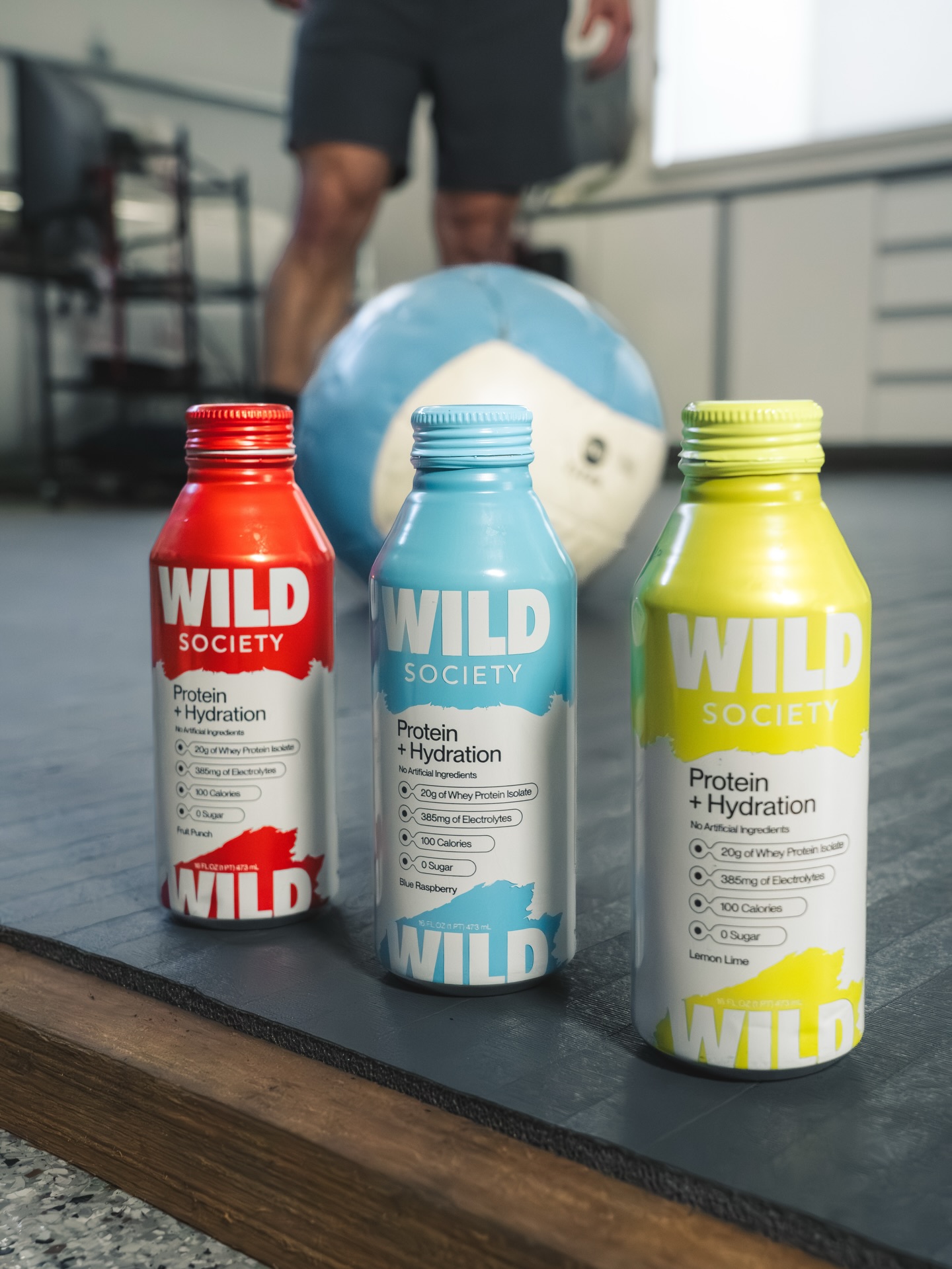
Athletes and active consumers are increasingly seeking peptides for muscle repair, endurance, and recovery. Sports nutrition brands are using peptide ingredients to differentiate recovery blends and post-workout formulas, creating new entry points beyond traditional protein powders.
GLP-1 peptides and metabolic health
Metabolic peptides have accelerated awareness of the category. GLP-1 therapies for weight management and type 2 diabetes have brought peptide science into mainstream health conversations.
Telehealth and digital health platforms have helped normalize long-term peptide use models, expanding accessibility and reshaping how consumers approach metabolic health solutions.
Shelf-Stars: Peptide Edition
Several brands are already bringing peptide-driven innovation to retail shelves.

Focused on peptides supporting muscle recovery, joint health, and overall wellness, with strong positioning in collagen and functional nutrition.

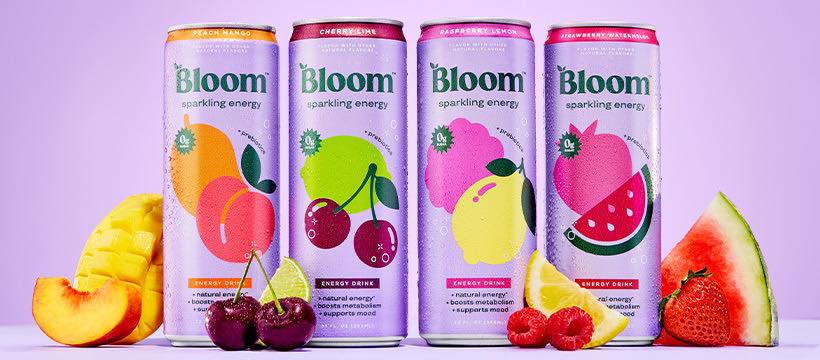
Known for clean, flavor-forward supplement blends that integrate wellness benefits such as energy, recovery, and beauty-from-within support.

Science-forward formulations centered on anti-aging, vitality, and immune support, reflecting growing consumer interest in longevity-focused supplements.
If you want to see how these brands are doing on retail shelves, explore retailer reviews on Cohere Commerce.
What Winning Peptide Brands Are Doing Right
As the peptide category expands, clear patterns are emerging among brands gaining traction in retail.
Education-first positioning
Peptides are still unfamiliar to many shoppers. Brands that translate the science into simple benefits such as skin health, muscle recovery, or metabolic support make it easier for consumers to understand why the product matters.
Strong use-case clarity
Top-selling peptide products tend to focus on one primary outcome rather than broad claims. Collagen supports beauty and joints. Recovery peptides support athletes. Metabolic peptides support weight and blood sugar management.
Clear positioning simplifies the shelf decision.
Repeat-purchase logic
Peptides often require consistent use to deliver results. This creates natural alignment with subscription and refill models, especially through online and telehealth channels.
Clinical credibility
Consumers expect science when buying peptide products. Brands emphasizing third-party testing, practitioner partnerships, and clinical research build stronger long-term trust.
Cohere Commerce Insight
Retailer feedback shows that peptide-adjacent categories gain traction when education and merchandising are aligned.
Stores see stronger sales when staff understand how to explain benefits, merchandising clearly separates categories such as beauty, performance, and metabolic health, and brands support the shelf with training and educational materials.
Consumer awareness is rising quickly, often faster than in-store education.
For brands, this creates an opportunity. The companies that invest in clarity, education, and responsible positioning are more likely to convert curiosity into repeat purchases.
Peptides may still feel early in retail, but the trajectory is clear. The real question for retailers is which segment will anchor shelf velocity first.