Pickles are moving beyond their role as a simple sandwich side. Retailer feedback points to a category where loyal shoppers, more adventurous flavors, and new formats are creating opportunities across snacking, meal building, and entertaining.
But having the right product is only part of the equation. Cohere Commerce retailer intelligence shows that shelf visibility, reliable availability, and opportunities to try unfamiliar brands can make a meaningful difference in whether shopper interest turns into repeat sales.

Pickle Demand Is Becoming More Diverse
Traditional dill pickles remain important, but shoppers have more reasons to enter the category than they did before. Retailers are seeing interest across spicy varieties, chips, sandwich slices, pickled onions, Pickle de Gallo, snackable pouches, and other pickled vegetables.
This expansion gives retailers an opportunity to merchandise pickles around different use cases rather than treating them as a single-purpose product. A shopper looking for a sandwich topping may want something different from someone looking for a convenient snack or an ingredient for a meal.
Familiar Brands Keep Shoppers Coming Back
Repeat purchasing remains one of the strongest signals across retailer conversations. Some shoppers actively seek out specific pickle brands, ask when unavailable products will return, or purchase multiple jars when they find what they want.
That loyalty can give brands a dependable base, but it also makes availability especially important. When shoppers come in looking for a particular product and repeatedly find an empty shelf, retailers risk losing a sale that was already close to guaranteed.
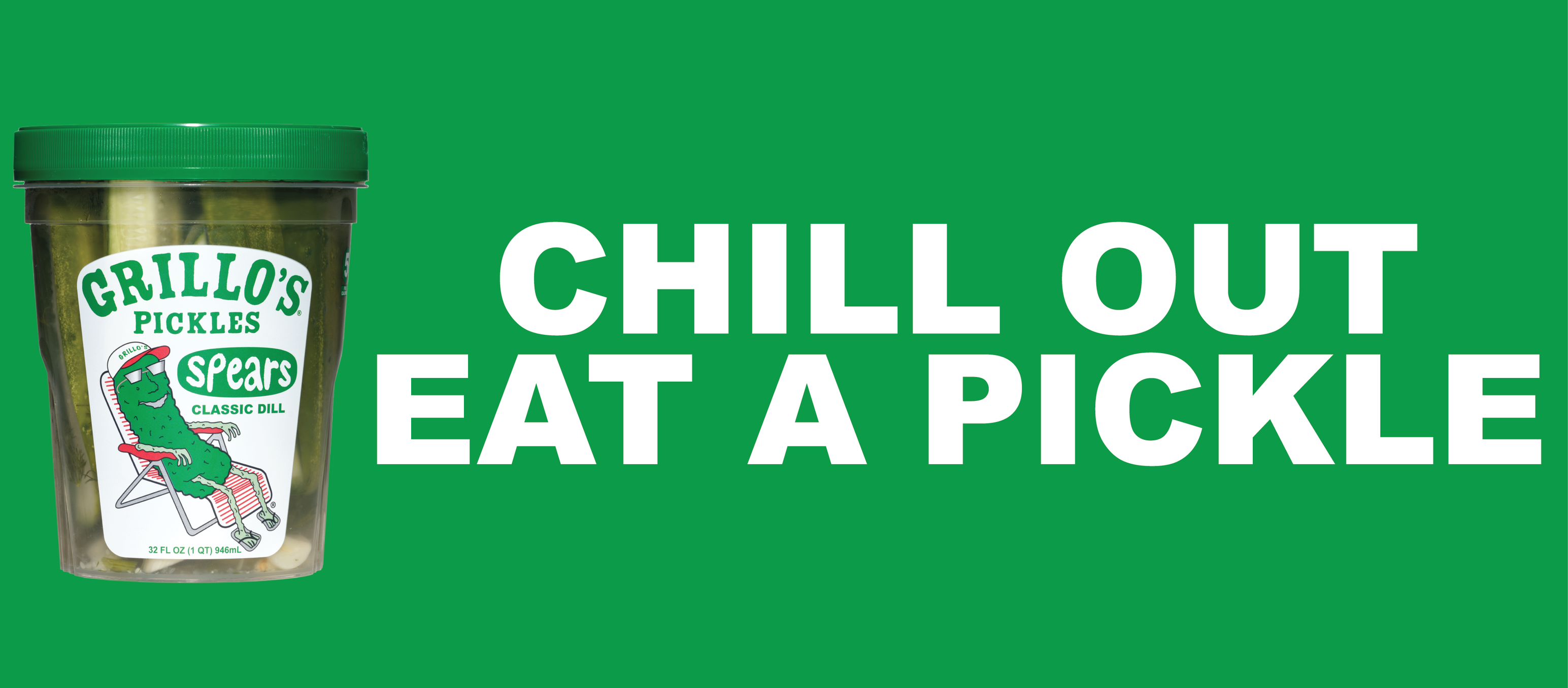
Grillo's is a clear example. Retailers report strong movement across the brand, but shortages on products such as Pickle de Gallo and other popular varieties can make it difficult to fully capture existing demand.

Discovery Still Matters
Brand loyalty helps established products, but less familiar pickle brands often need more support to earn that first purchase.
Retailer feedback around Good Girl Snacks shows how displays and demos can increase visibility and encourage trial. Retailers discussing Britts' and Jersey Pickles also pointed to greater visibility and promotional support as opportunities to improve movement.
Placement matters too. Refrigerated pickles positioned near deli meats, cheeses, sandwiches, and other lunch-building products have a natural advantage because shoppers can immediately understand how the product fits into their basket.
For retailers, a few merchandising strategies stand out:
- Keep high-demand varieties in stock, particularly when shoppers are actively requesting them.
- Use endcaps, displays, demos, and shelf signage to give emerging brands more opportunities for discovery.
- Merchandise refrigerated pickles near complementary deli and meal-building products.
- Consider smaller formats when premium pricing creates hesitation around trial.
Different Brands Are Winning for Different Reasons

The category isn't moving in a single direction. Retailer conversations show several distinct ways brands are creating relevance.
Grillo's benefits from strong shopper demand, recognizable packaging, and variety, although recurring availability challenges can leave sales on the table.
Bubbies Fine Foods attracts shoppers looking for quality and has built a loyal following, but its premium price creates an opportunity for smaller formats that lower the commitment for new shoppers.
Good Girl Snacks brings bold flavors and distinctive packaging to the category, while retailer feedback suggests displays and demos can further strengthen discovery.
OH SNAP! Pickles turns pickles into a convenient snack through portable pouch formats, giving shoppers an alternative to the traditional refrigerated jar.
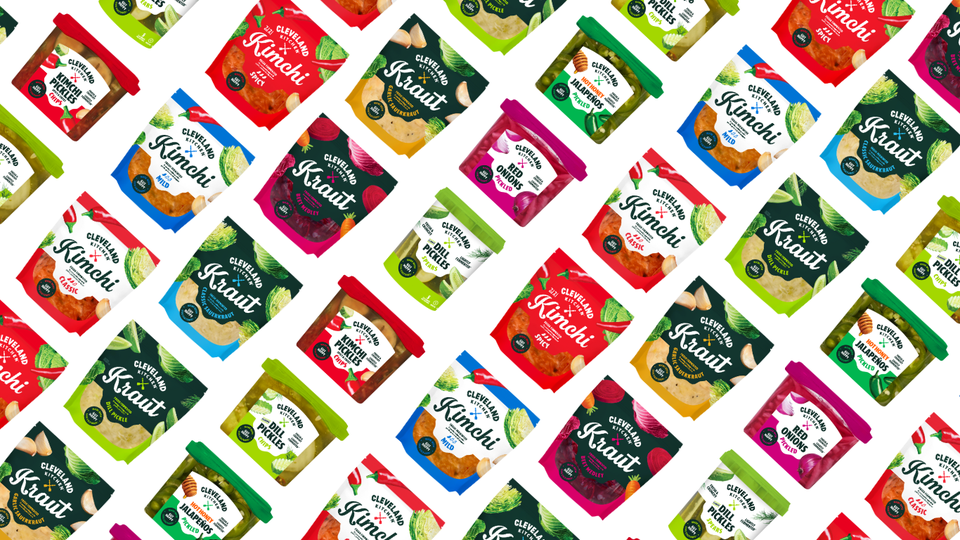
Cleveland Kitchen expands the category through products such as pickled onions and smaller formats, while deli-adjacent placement gives shoppers an obvious connection to sandwiches and meals.
A Pickle Story combines freshness, branding, flavor variety, and a wider assortment of pickled vegetables, giving shoppers more ways to explore the category.

The Next Opportunity May Be Outside the Jar
The next phase of pickle growth may come from making the category easier to use in more situations.
Pickled onions, spicy varieties, Pickle de Gallo, bagged products, and snackable pouches already show how the category can stretch beyond the conventional pickle jar. Smaller packages could push that evolution further by lowering the price of trial and making premium products easier to incorporate into lunches, snacks, and on-the-go occasions.
For brands, that means innovation doesn't necessarily require another flavor. Format, portion size, portability, and merchandising context can be just as important.
Cohere Commerce Takeaway
Pickle shoppers are giving retailers multiple signals about where the category can grow: they return for brands they trust, seek out differentiated flavors and formats, and respond when products are easier to discover.
The opportunity is to connect those signals at the shelf. Reliable inventory can protect existing demand, stronger placement and sampling can help emerging brands earn trial, and convenient formats can create occasions that didn't previously belong to the category.
The brands that gain momentum won't simply offer another pickle. They'll make it easier for shoppers to notice, try, use, and come back for the product.
_63918.jpg)