The coffee aisle is starting to look very different.
For years, much of the category revolved around familiar choices: whole bean or ground, roast level, origin, and flavor. Those fundamentals still matter, but retailers are now seeing another set of purchase drivers emerge. Shoppers are paying more attention to how quickly coffee can be prepared, what additional benefits it offers, and where it fits into their day.
That shift is opening the door for products that would have seemed unconventional in the coffee aisle not long ago. Frozen formats, protein-infused options, mushroom blends, concentrates, and other specialty products are giving consumers new ways to participate in the category.

The opportunity for brands is significant, but being different does not automatically mean being successful.
Retailer feedback gathered by Cohere suggests the products gaining staying power are those that give shoppers an immediate reason to care and make the experience easy enough to encourage a second purchase.
Coffee Is Competing on More Than Taste
Great coffee still needs to taste great. But increasingly, taste is the starting point rather than the entire proposition.
Consumers are fitting coffee into busier and more varied routines. That creates opportunities for formats designed around speed and flexibility.
A concentrate can eliminate several steps from preparation. A frozen format can deliver a specialty experience without requiring specialty equipment. Ready-to-drink options can travel with the consumer. Protein coffee can combine two parts of a morning routine into one.
Each solves a slightly different problem, but the underlying appeal is similar: less friction without giving up the experience consumers expect from coffee.
That means convenience is not necessarily pulling shoppers away from traditional coffee. Instead, it can create additional moments when coffee makes sense.
The Daily Cup Is Becoming More Functional
Another shift is happening inside the coffee itself.
Ingredients associated with wellness, energy, focus, and nutrition are finding their way into products that build on an already familiar daily habit.
Retailers are seeing interest in coffee featuring protein, mushrooms, Lion’s Mane, CBD, and other functional ingredients, as well as products positioned around cognitive or energy support.
This changes the competitive conversation.
Instead of asking shoppers to choose one coffee based primarily on roast or flavor, functional brands can offer another reason to buy: What else can this cup do for me?
For brands, that creates room to differentiate. For retailers, it creates opportunities to reach shoppers whose purchase decisions may span coffee, wellness, nutrition, and convenience at the same time.
New Ideas Need an Introduction
Innovation can also create friction.
A shopper already knows what to do with a bag of ground coffee. A frozen coffee capsule or mushroom-based blend may require a little more context.
Retailers tell Cohere that this education gap can make the difference between a product shoppers notice and one they actually purchase.
Sampling is particularly valuable for unfamiliar formats because it answers several questions at once. Shoppers can understand how the product works, experience the taste, and decide whether the benefit is relevant to them.
Shelf communication has a similar role. Clear messaging around preparation, ingredients, benefits, and use occasions can remove uncertainty before it becomes a reason to walk away.
For emerging brands, the takeaway is simple: if the format requires explanation, education needs to be part of the launch strategy from the beginning.
Turning Curiosity Into Repeat Purchases
Getting shoppers to try something new is only the first hurdle.
Retailer feedback points to a few practical factors that can help innovative coffee products build momentum:
- Demonstrate unfamiliar formats. Sampling and in-store demos can make new concepts easier to understand.
- Lead with the shopper benefit. Convenience, protein, functional ingredients, or premium preparation should be immediately clear.
- Think beyond the conventional coffee set. Merchandising around occasions or benefits can help shoppers understand where a product fits into their routine.
- Support discovery with promotions. Strategic offers can lower the barrier to a first purchase, especially when the format carries a premium price.
- Keep favorites available. Once consumers develop a preferred blend or flavor, out-of-stocks can interrupt the repeat-purchase cycle.
These fundamentals become even more important as the category grows more complex.
Six Brands Showing Where Coffee Could Go Next

The range of brands generating retailer attention illustrates just how broad coffee innovation has become.
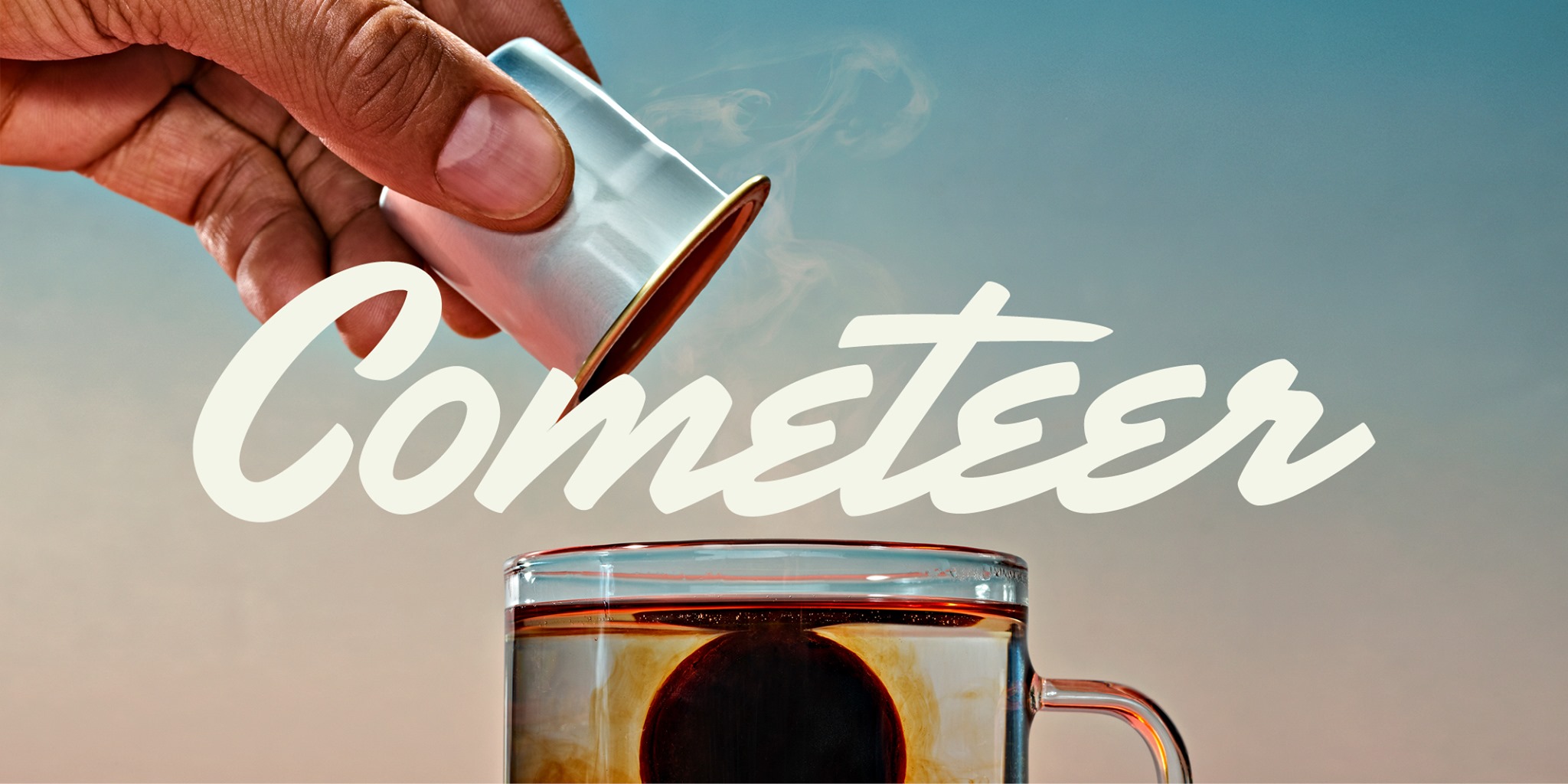
Cometeer Coffee approaches convenience through a frozen format designed to deliver a premium coffee experience with minimal preparation. Its unusual format helps differentiate it, while retailer feedback suggests sampling can play an important role in helping first-time shoppers understand what makes it different.
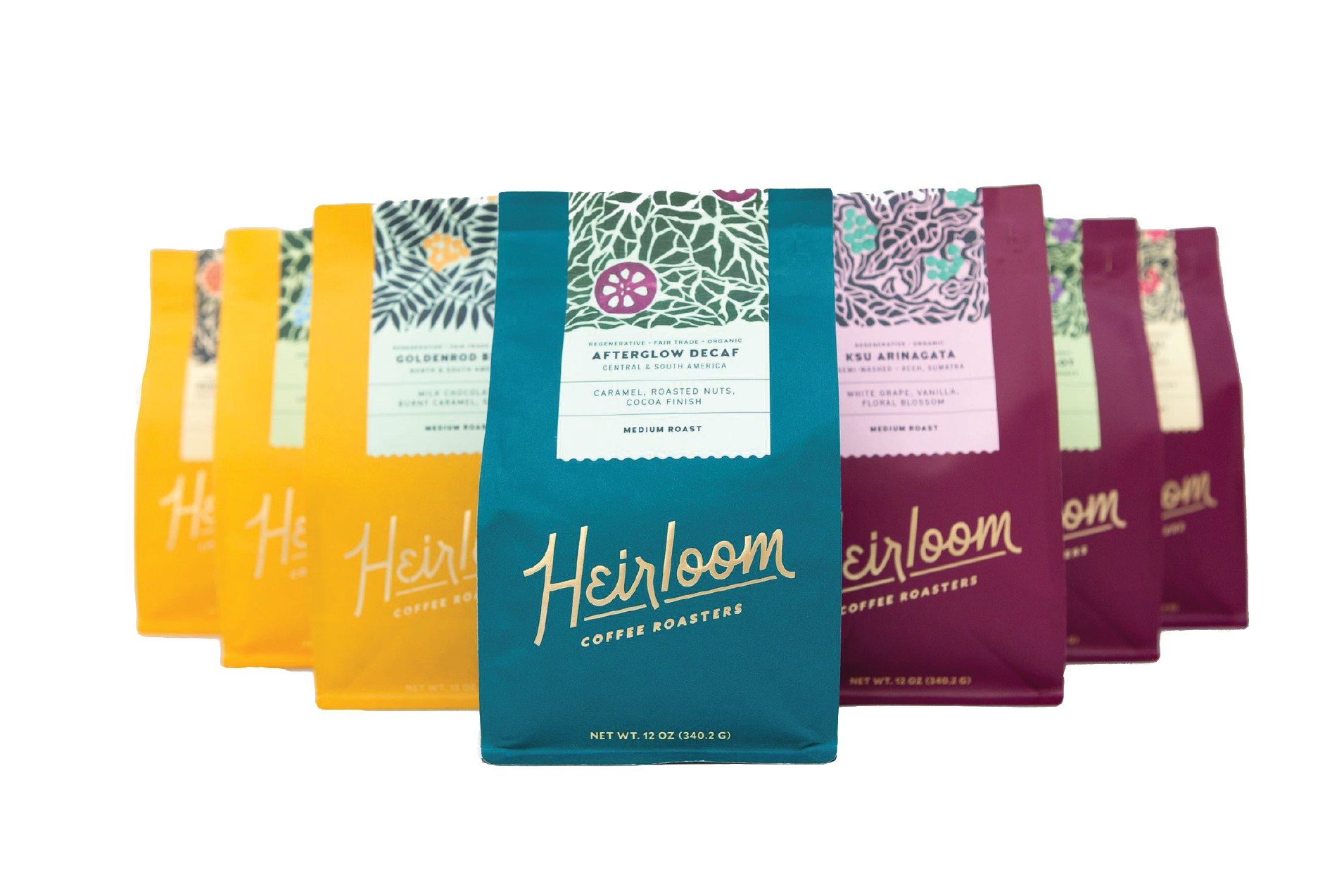
Heirloom Coffee Roasters demonstrates that innovation does not always require reinventing the format. Distinctive blends, including Goldenrod, and recognizable packaging are helping create repeat customers. Retailers also point to availability as an important consideration when demand builds around specific products.
Counter Culture Coffee continues to benefit from a reputation for quality and an established base of loyal coffee drinkers. Retailer observations suggest stronger visibility, placement, and promotional activity can help the brand capture more attention at shelf.
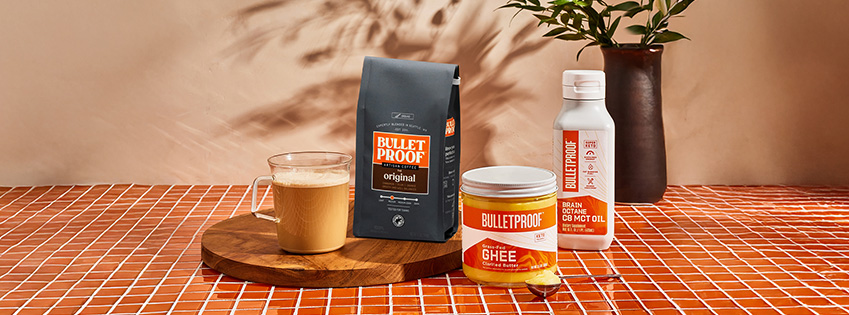
Bulletproof brings a well-established wellness proposition to the category. Its functional positioning and product variety give shoppers reasons to consider the brand beyond traditional coffee attributes, with promotions providing another lever for trial.
Javvy Coffee sits at the intersection of several current trends, including convenience and protein. Retailers highlight flavor, noticeable packaging, and existing social awareness as advantages that can help move shoppers from online familiarity to in-store purchase.
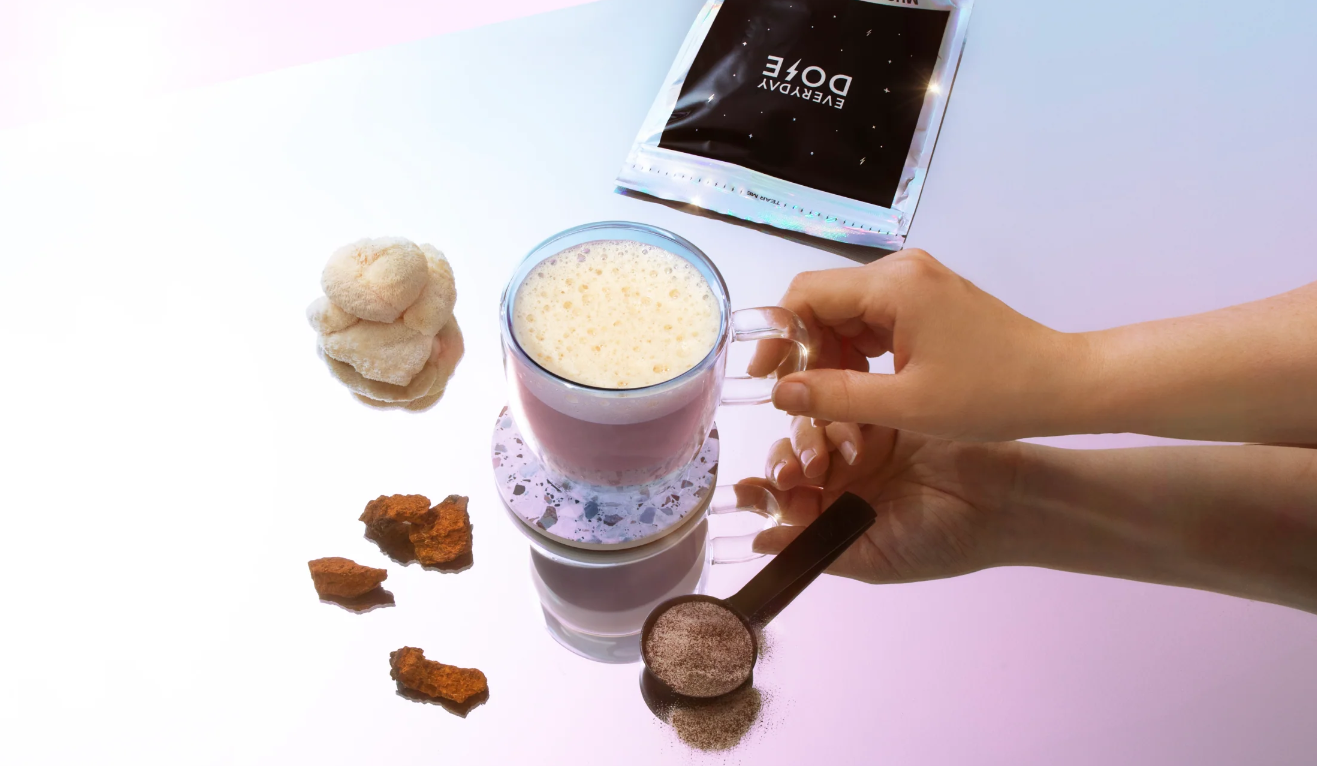
Everyday Dose represents the growing interest in mushroom-based and functional coffee. Retailers are seeing repeat customers for the brand, while education and promotional support can help make the proposition accessible to shoppers who have not previously explored the format.
Together, these brands show there is no single formula for coffee innovation. Premium quality, functionality, convenience, branding, and format can all create differentiation when the value is clear to the shopper.
What the Coffee Shelf Could Look Like Next
The next phase of category growth may be less about finding a single breakout format and more about combining benefits consumers already value.
Convenience is compelling. Functionality is compelling. Premium quality is compelling. Products that successfully bring those attributes together could have an especially strong opportunity.

That puts formats such as frozen coffee, concentrates, protein coffee, and mushroom blends in an interesting position. They can serve existing coffee drinkers while also introducing reasons to consume coffee at different times, in different ways, or for different purposes.
But as options multiply, clarity becomes more important.
A shopper standing in front of the shelf should not have to investigate a product to understand why it belongs in their cart. The brands that communicate their purpose quickly and deliver on that promise after trial have a better chance of becoming part of the consumer’s routine.
The Next Big Bet
Coffee that does more, with less effort.
The strongest opportunity emerging from Cohere’s retailer intelligence is the convergence of quality, functionality, and convenience.
Consumers do not necessarily want to choose between a premium experience and an easy one. As functional ingredients become more familiar, they may increasingly expect everyday products to deliver additional benefits without adding complexity to their routines.
Coffee is particularly well positioned for that shift because the habit already exists.
The next winners may not need to convince consumers to drink more coffee. They may simply need to give them a better reason to choose a particular cup.

Cohere Commerce Takeaway
Coffee’s evolution is creating opportunities well beyond the traditional bag of beans.
Retailer intelligence points to a category where convenience can unlock new occasions, functional ingredients can create new reasons to buy, and premium positioning can support differentiation.
The final piece is execution at shelf. New concepts need to be easy to understand, easy to try, and easy to find again.
For coffee brands looking for durable growth, the opportunity is not innovation for innovation’s sake. It is creating a product that earns a meaningful place in the shopper’s routine and gives them a reason to come back.