Meal replacements have traditionally competed on the promise of complete nutrition in a convenient format. But the category is becoming more occasion-driven as shoppers look for products that solve specific needs, whether that is replacing breakfast, getting more protein, choosing plant-based nutrition or finding something convenient enough for a busy morning.
Cohere retailer intelligence suggests that having a strong nutritional profile is only part of the equation. Flavor, price, format and convenience increasingly influence which products become part of a shopper's routine.

Meal Replacement Means More Than Protein
Protein drinks and meal replacements increasingly share the same shelf, but shoppers do not necessarily approach them with the same expectations.
Retailer feedback around Ka'Chava points to shoppers specifically seeking a balanced, complete meal rather than protein alone. This gives meal replacements a broader job to do. Protein matters, but so do the other nutritional benefits that make the product feel substantial enough to replace breakfast or another eating occasion.
The distinction creates an opportunity for retailers to organize the category around what shoppers are trying to accomplish rather than treating every nutritional shake as interchangeable.
The Occasion Is Becoming the Differentiator
A shopper looking for post-workout protein may have different priorities from someone trying to replace breakfast on the way to work.
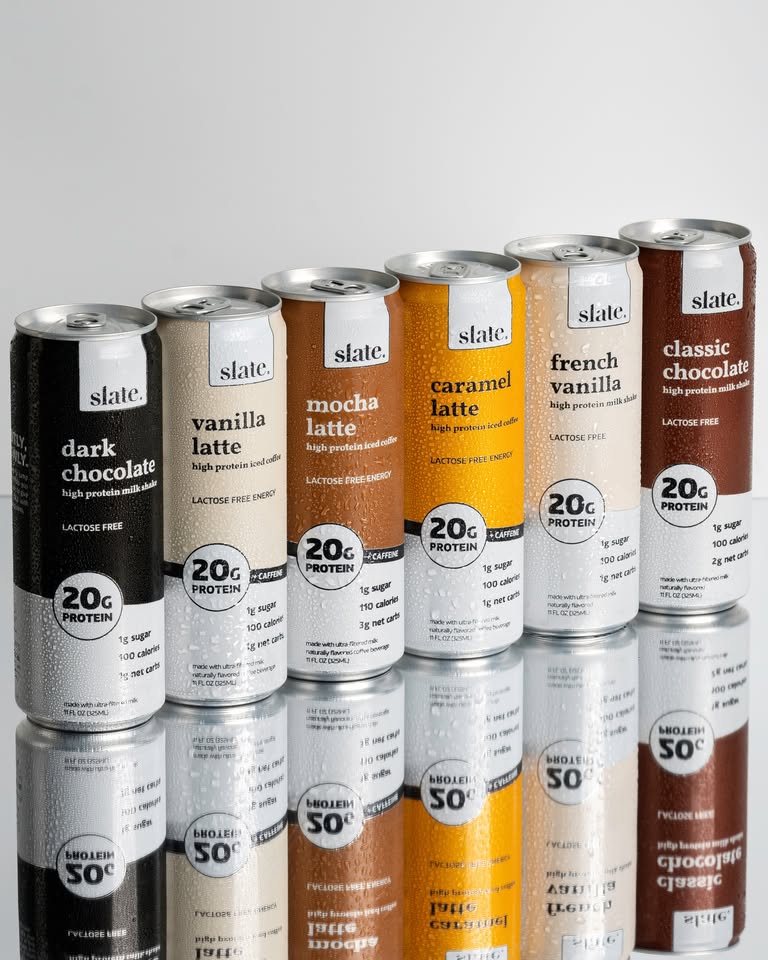
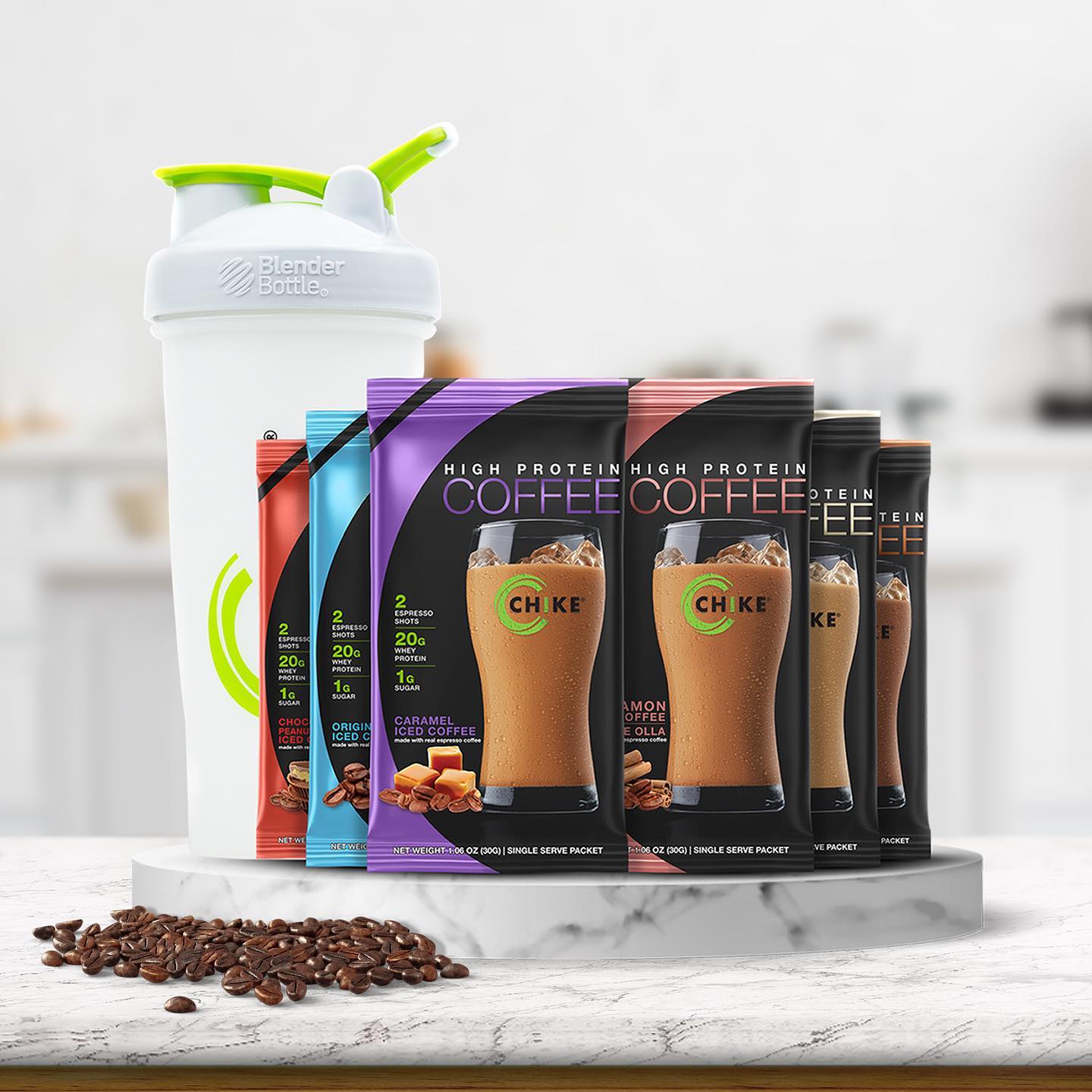
That distinction is showing up across the category. Chike Nutrition combines protein with coffee, giving shoppers a morning-specific use case. Slate Milk fits naturally into grab-and-go occasions, while Koia provides a clear plant-based option.
The more immediately shoppers understand when and why they would use a product, the easier it becomes for that product to find a place in their routine.

New Formats Could Expand the Opportunity
Meal replacements do not have to stay confined to tubs and powder bags.
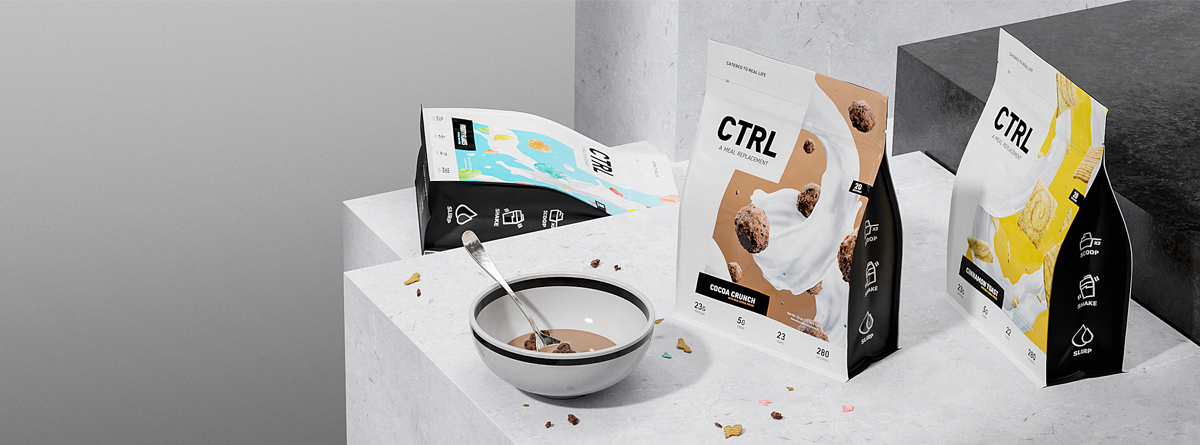
Retailer feedback around CTRL points to interest in ready-to-drink bottles, while the brand's cookies demonstrate how meal-replacement nutrition can move into more snack-like formats. These extensions could help the category reach shoppers who want the benefits of meal replacement without preparing a shake.
Ready-to-drink products also reduce another barrier: time. When convenience is part of the reason shoppers choose meal replacements in the first place, eliminating preparation makes the proposition easier to understand.
Value Needs to Be Framed Around the Meal
Price remains an important barrier, particularly for premium products.
Retailers discussing Ka'Chava have pointed to the relationship between price and the number of servings shoppers receive. But meal replacements have an opportunity that conventional supplements do not: they can frame value against the food or meal being replaced.
Communicating cost per serving alongside nutritional completeness can therefore be more useful than relying on package price alone.
Brands Are Solving Different Nutrition Occasions

Several brands illustrate how broad the category is becoming:
- Ka'Chava centers its proposition on complete meal replacement, appealing to shoppers looking for broader nutrition rather than protein alone.
- Remedy Organics is gaining traction around higher-protein drinks, with retailers reporting frequent replenishment and even case purchases.
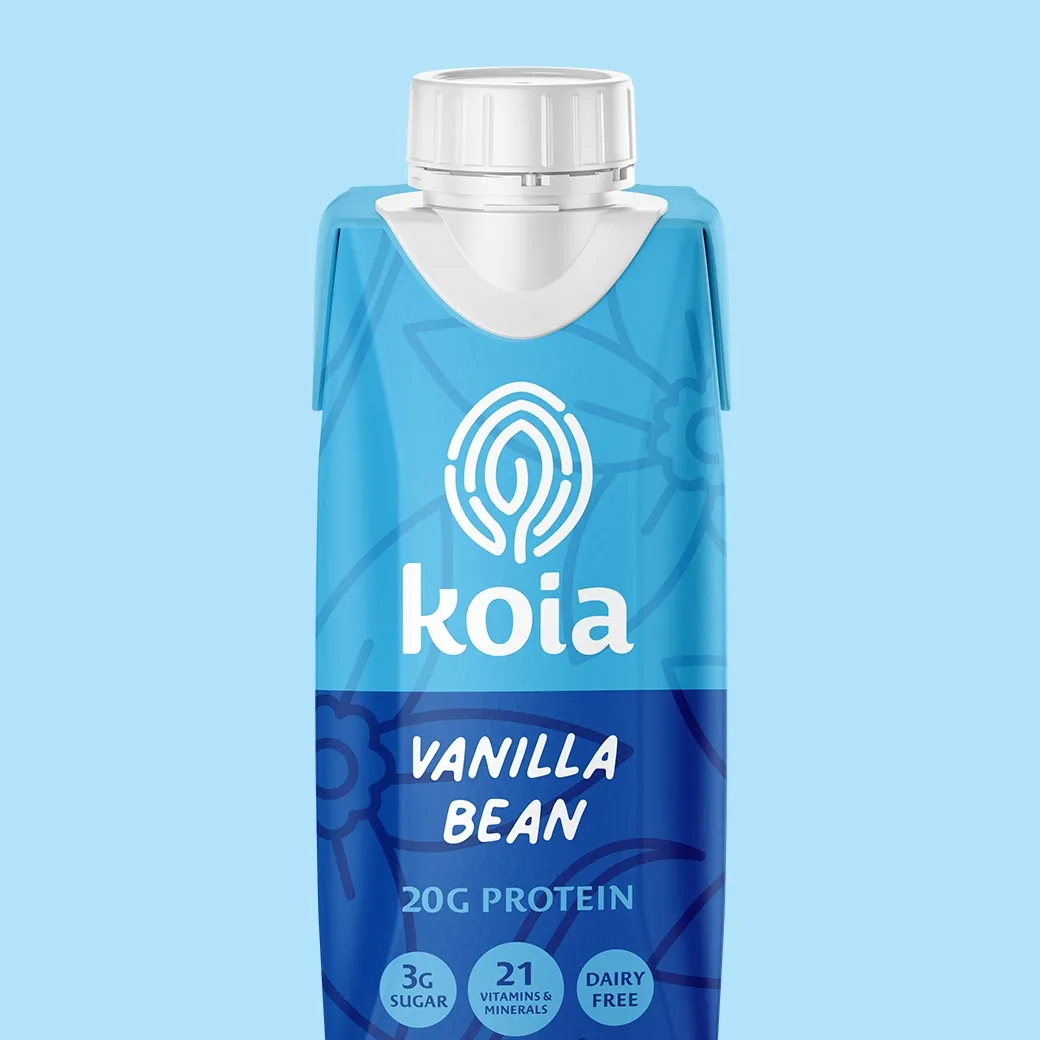
- Koia addresses plant-based demand, with some retailers seeing customers specifically seek it out when products are unavailable.
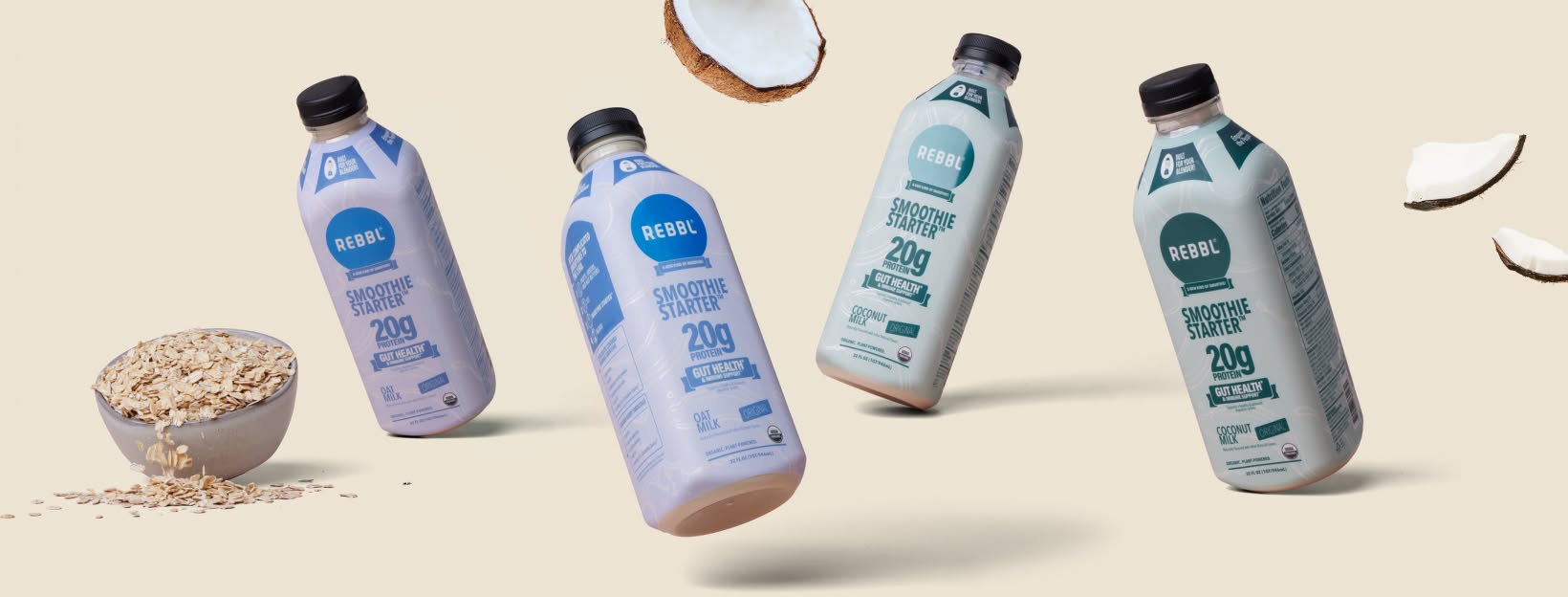
- REBBL uses flavor variety and seasonal rotation to create additional reasons for shoppers to return to the set.
- Slate Milk fits the convenient grab-and-go protein occasion, supported by repeat purchasing and visible cooler placement.
- Chike Nutrition combines coffee and protein, turning 2 morning needs into a single convenient purchase.

Category Momentum Is Starting to Shift
The category also faces a more immediate challenge: retailers are seeing slower movement than they did a year ago.
Feedback suggests the slowdown extends across parts of the broader protein and meal replacement set rather than being isolated to a single brand. The reason remains unclear. Seasonality could be contributing, but shoppers may also be moving toward different health and fitness trends or finding new ways to meet their nutrition goals.
That makes the next phase of the category less about adding another shake and more about creating a stronger reason to buy. New formats, clearer occasions and differentiated nutritional benefits could help brands reach shoppers whose needs are no longer served by the traditional meal-replacement proposition.
Where Meal Replacements Go Next
Meal replacements still occupy a distinct space because they can replace an eating occasion rather than simply supplement it. But that promise needs to be increasingly specific.
For retailers and brands, the opportunity is to make the use case obvious. Products that clearly communicate what occasion they solve, what nutrition they provide and why they are worth the cost per meal will be better positioned as shopper wellness routines continue to change.