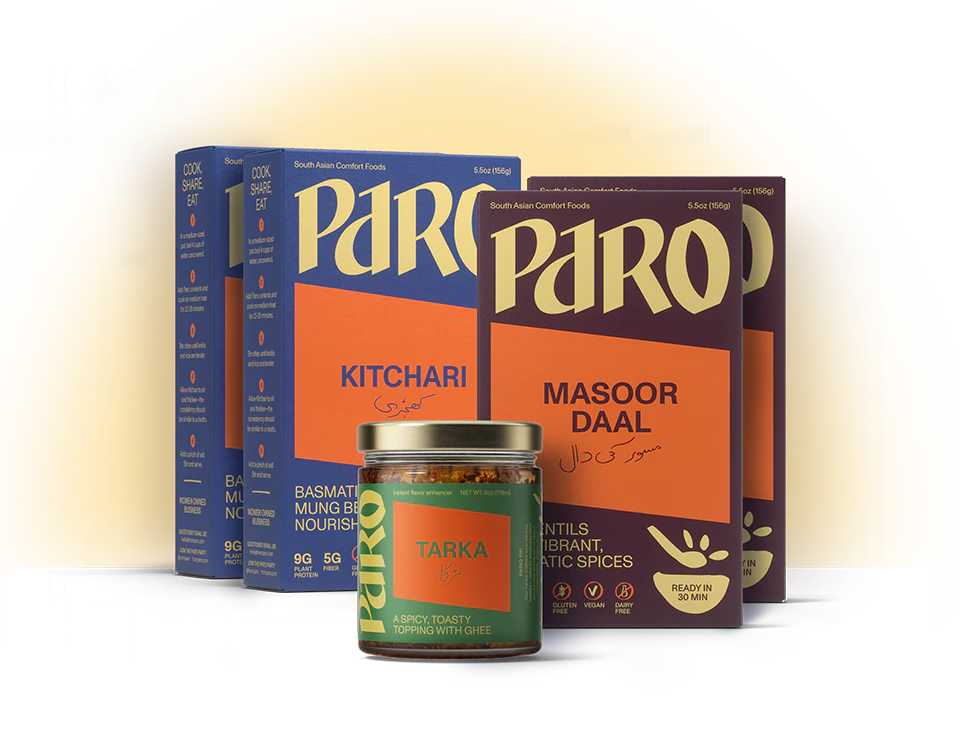
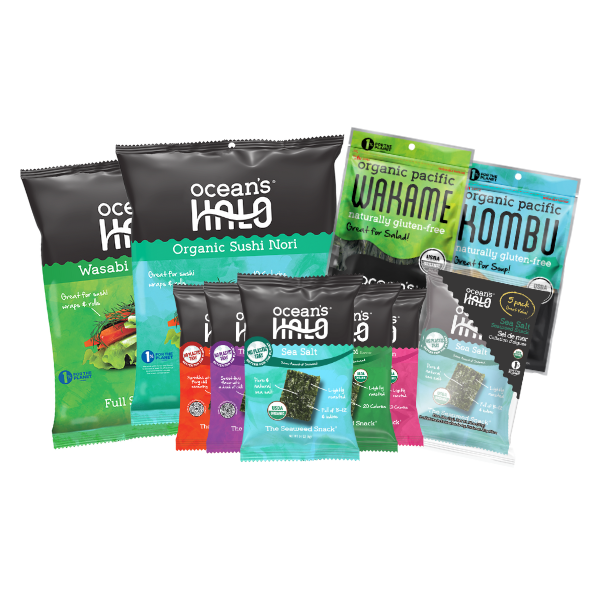
Asian flavors are no longer a niche segment sitting in ethnic aisles. They have become one of the clearest demand signals in U.S. CPG, reshaping how growth shows up across the center of store.
Retail sales of Asian packaged foods reached 14.7B in 2024, growing 10%+ year over year, compared to only 2–3% for total packaged food. The gap matters because it is not just growth, it is disproportionate pull, meaning Asian flavors are capturing more incremental demand than the category baseline would suggest.

From Ethnic Aisle to Growth Engine
Based on insights from Cohere Commerce, Asian packaged foods are growing at roughly 4x the rate of total grocery, but the more important shift is where that growth is coming from.
This is not just expansion within Asian specialty buyers. It is mainstream shoppers actively trading into Asian flavors across categories like sauces, snacks, frozen meals, and beverages. That shift signals something deeper than preference. It reflects a change in how consumers define “everyday flavor.”
Asian profiles are no longer occasional. They are becoming default exploration points.
What Is Actually Driving the Shift
1. Flavor is Becoming More Precise, Not Broader

The biggest change is not that consumers want “Asian food.” It is that they are rejecting vague flavoring in favor of specificity.
Instead of broad descriptors like spicy or citrus, shoppers are moving toward identifiable culinary references:
- Gochujang instead of generic hot sauce
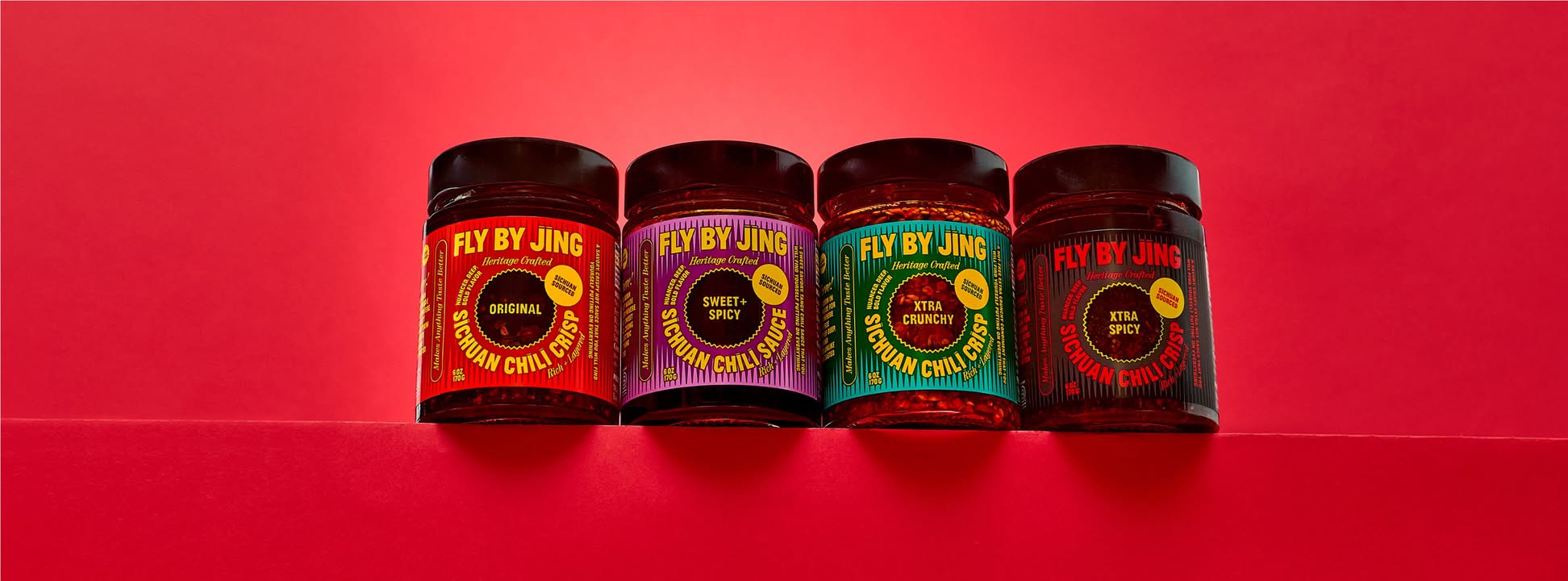
- Sichuan instead of generic spicy
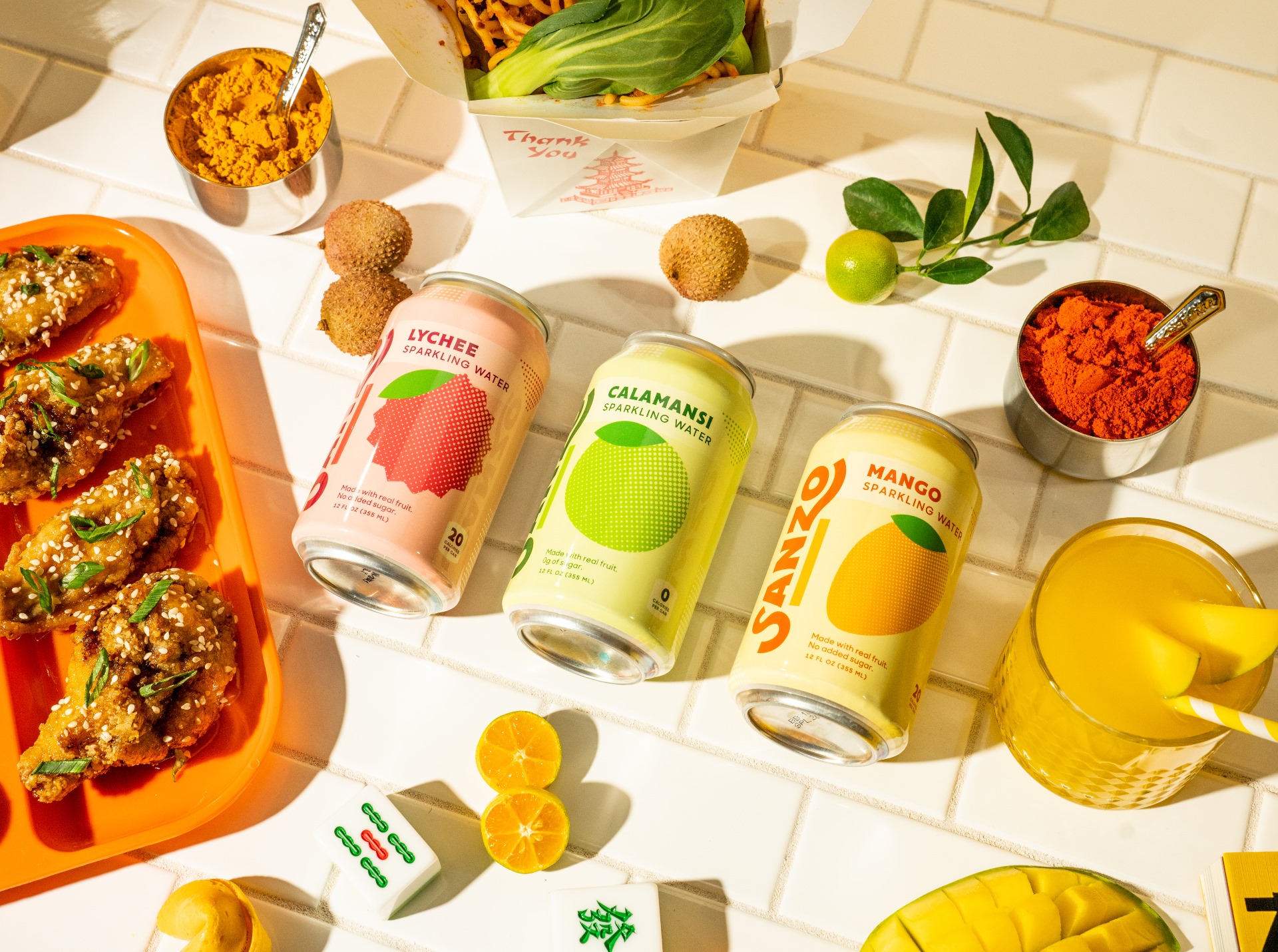
- Yuzu instead of generic citrus
This shift matters because specificity creates trust. When a flavor is named precisely, it signals cultural origin, culinary intent, and higher product integrity. That reduces hesitation at shelf and increases repeat purchase because the experience is more predictable.
In other words, precision is now a proxy for quality.
2. Better-for-You Is No Longer a Health Claim, It Is a Flavor Strategy

A key misunderstanding in CPG is treating better-for-you as a nutrition positioning. In Asian flavors, it increasingly functions as a taste advantage.
Fermentation, botanicals, and natural umami compounds are not just health cues, they are sensory differentiators:
- Kimchi, miso, and other fermented ingredients add depth, not just probiotics
- Herbal and botanical notes create complexity without added sweetness or fat
- Umami-rich bases reduce the need for artificial enhancement
This creates a structural advantage. These products do not have to compromise flavor to meet wellness expectations. Instead, wellness and flavor reinforce each other, which is rare in packaged food.
It also explains why these products often sustain premium pricing without resistance.
3. Restaurant Velocity Is Becoming Retail Demand Infrastructure

Asian flavors are not being introduced to consumers in retail first. They are being validated in foodservice and then imported into grocery.
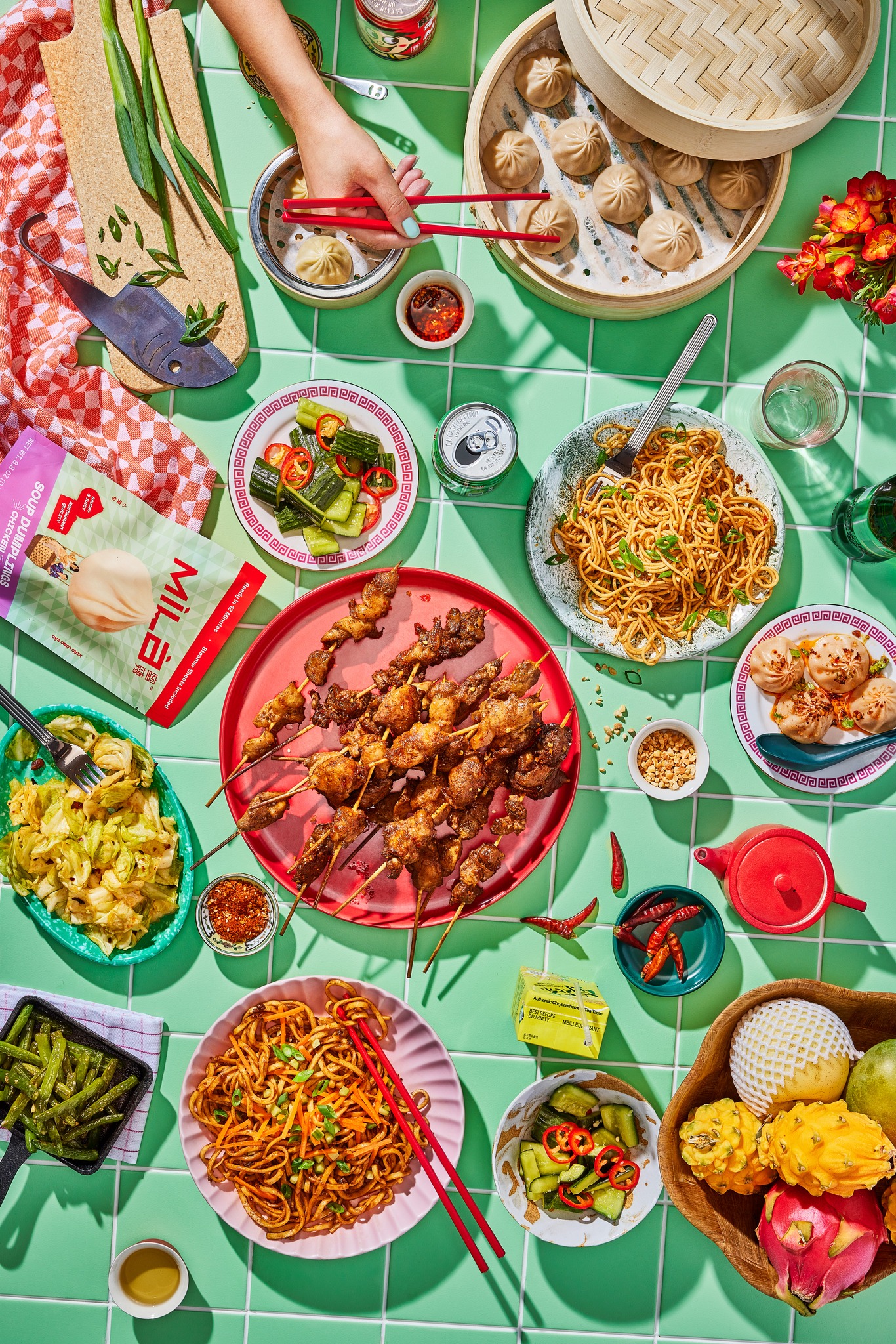
Ramen shops, Korean BBQ concepts, Indian street food, and fusion fast casual have already trained consumers on what these flavors should taste like. Retail is simply capturing that familiarity.
This matters because it shortens the trial curve.
When consumers already understand a flavor from restaurants:
- They do not need education
- They do not need reassurance
- They only need availability
That is why these products often scale faster once they hit retail shelves. The demand is pre-built.
4. Authenticity Is Now a Pricing Mechanism

Premiumization in Asian flavors is not driven by packaging or branding alone. It is driven by perceived authenticity.
Shoppers are willing to pay more when they believe:
- Ingredients are regionally true or culturally grounded
- Production methods reflect tradition or specificity
- The brand has a credible origin story
This is especially visible in sauces and condiments, where the difference between “inspired by” and “rooted in” can materially affect willingness to pay.
Authenticity is functioning as a pricing lever, not just a marketing angle.
Where the Growth Is Concentrating
The strongest performance is not evenly distributed. It is clustering in categories where flavor intensity and repeat usage matter most.
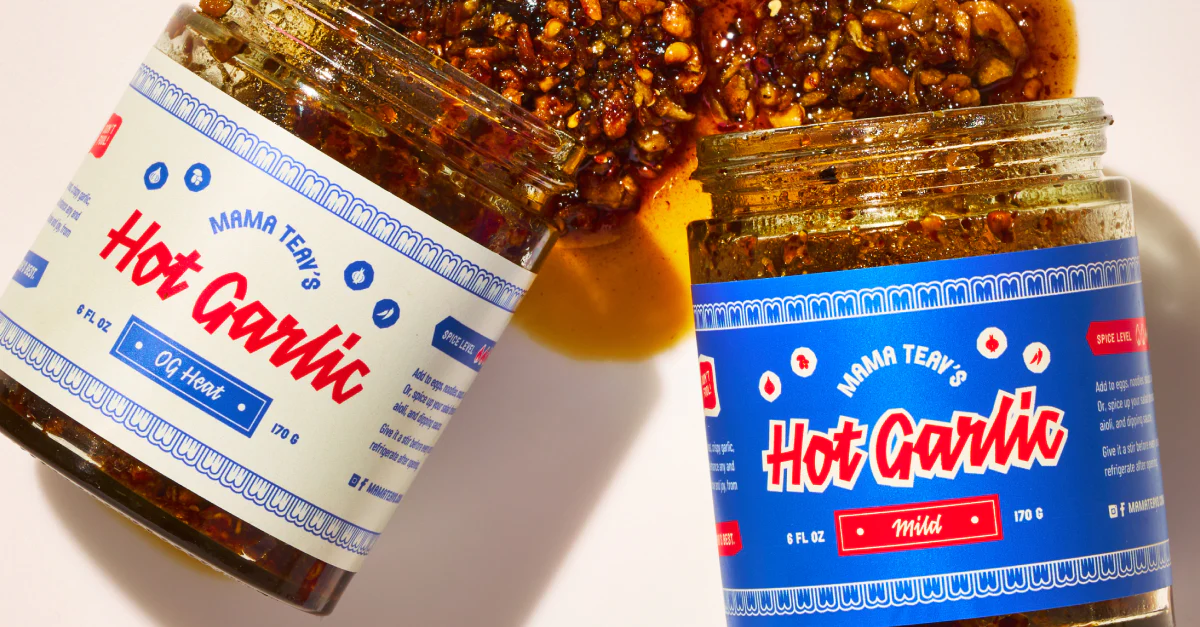
- Sauces and condiments: High repeat purchase driven by daily usage and flavor layering
- Frozen meals: Convenience plus strong emotional familiarity from restaurant analogs
- Snacks: Fastest experimentation cycle, where global flavors are mapped onto familiar formats
Across all three, the common denominator is low-risk trial with high sensory payoff.
What Is Structurally Changing in the Store
The rise of Asian flavors is also changing how innovation is being built:
- Flavor is becoming more geographically specific instead of broadly “Asian-inspired”
- Sweet and spicy is emerging as a dominant crossover profile across categories
- Non-traditional bases like rice, lentils, and cassava are being used to carry global flavors
- Umami is becoming a standalone flavor driver rather than a background note
This reflects a broader shift: consumers are no longer evaluating products by category rules, but by flavor credibility.
What Comes Next
The next phase of growth is not just about more Asian flavors, but about deeper integration into functional and format innovation.
- Functional benefits like protein and gut health becoming baseline expectations, not differentiators
- Single-serve formats expanding as snacking and on-the-go consumption grows
- Plant-based products shifting from substitution to flavor-first design
- Fermentation and umami becoming central product architecture, not supporting notes
- Continued demand for hyper-regional specificity rather than generalized Asian labeling
Asian flavors are not simply growing faster. They are redefining what “center of store” innovation looks like.
The real shift is that flavor is no longer an attribute layered onto a product. It is becoming the primary reason the product exists, with function, format, and wellness built around it.
That is why this category is not just expanding, but structurally reshaping how growth is created across CPG.