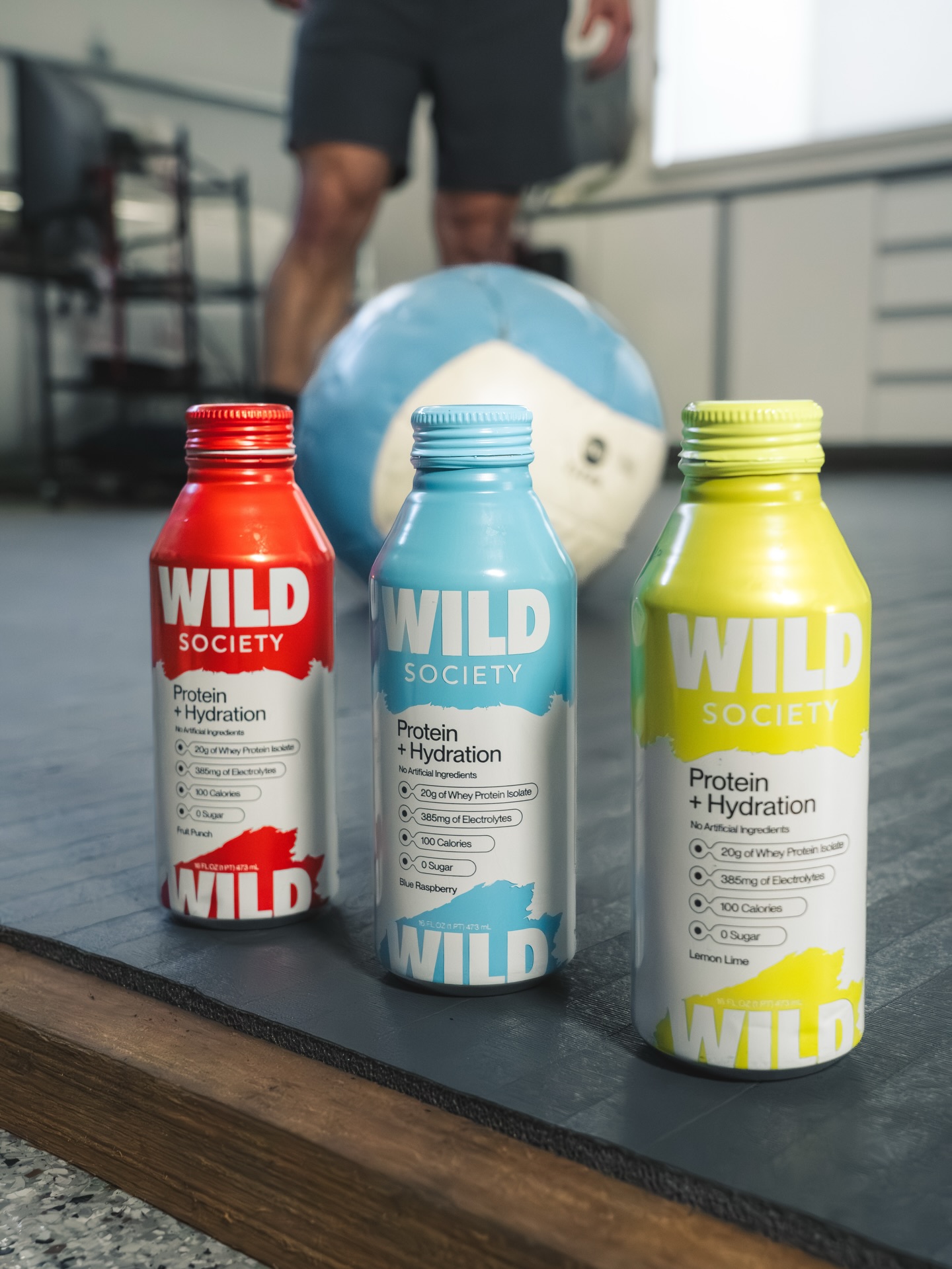
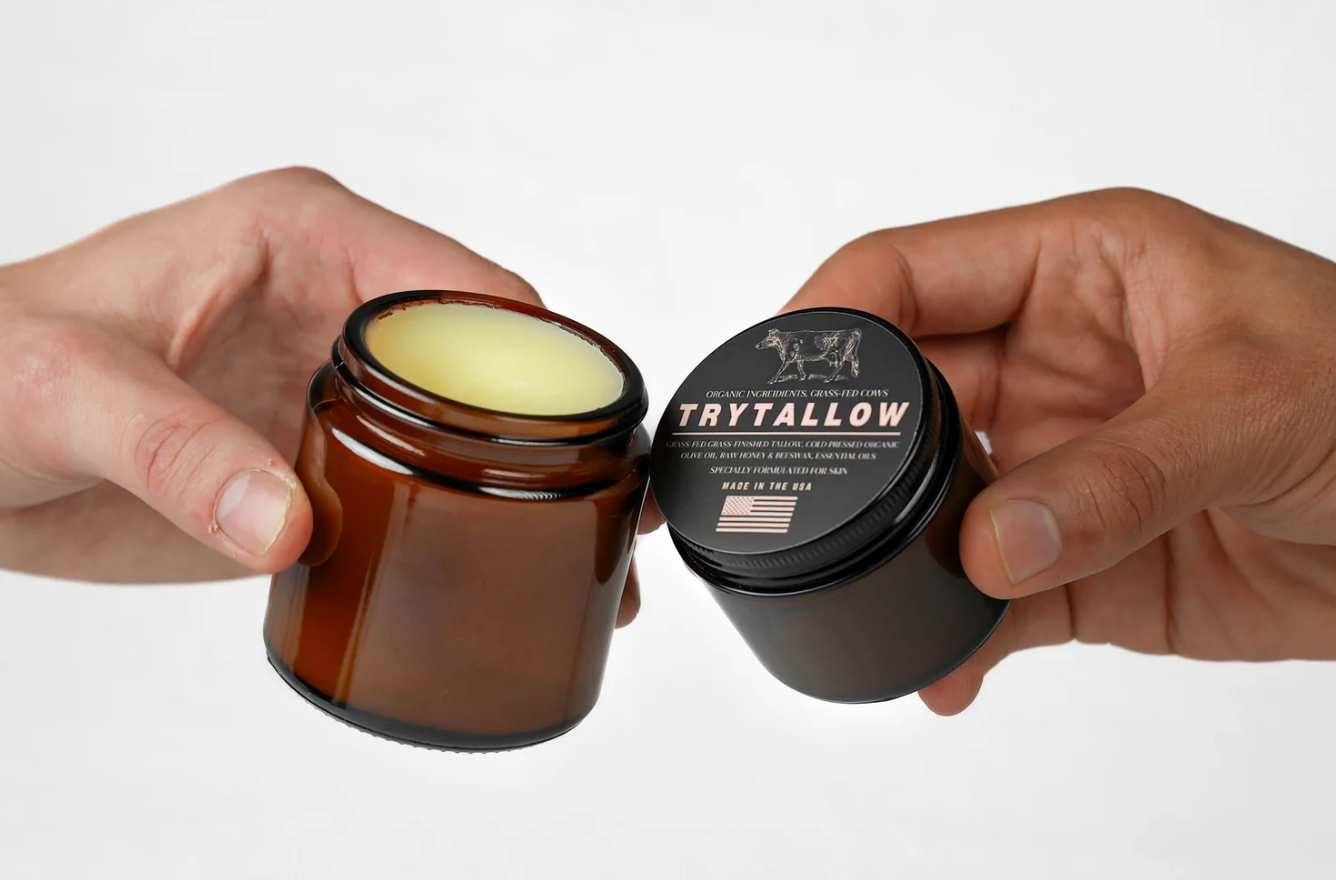
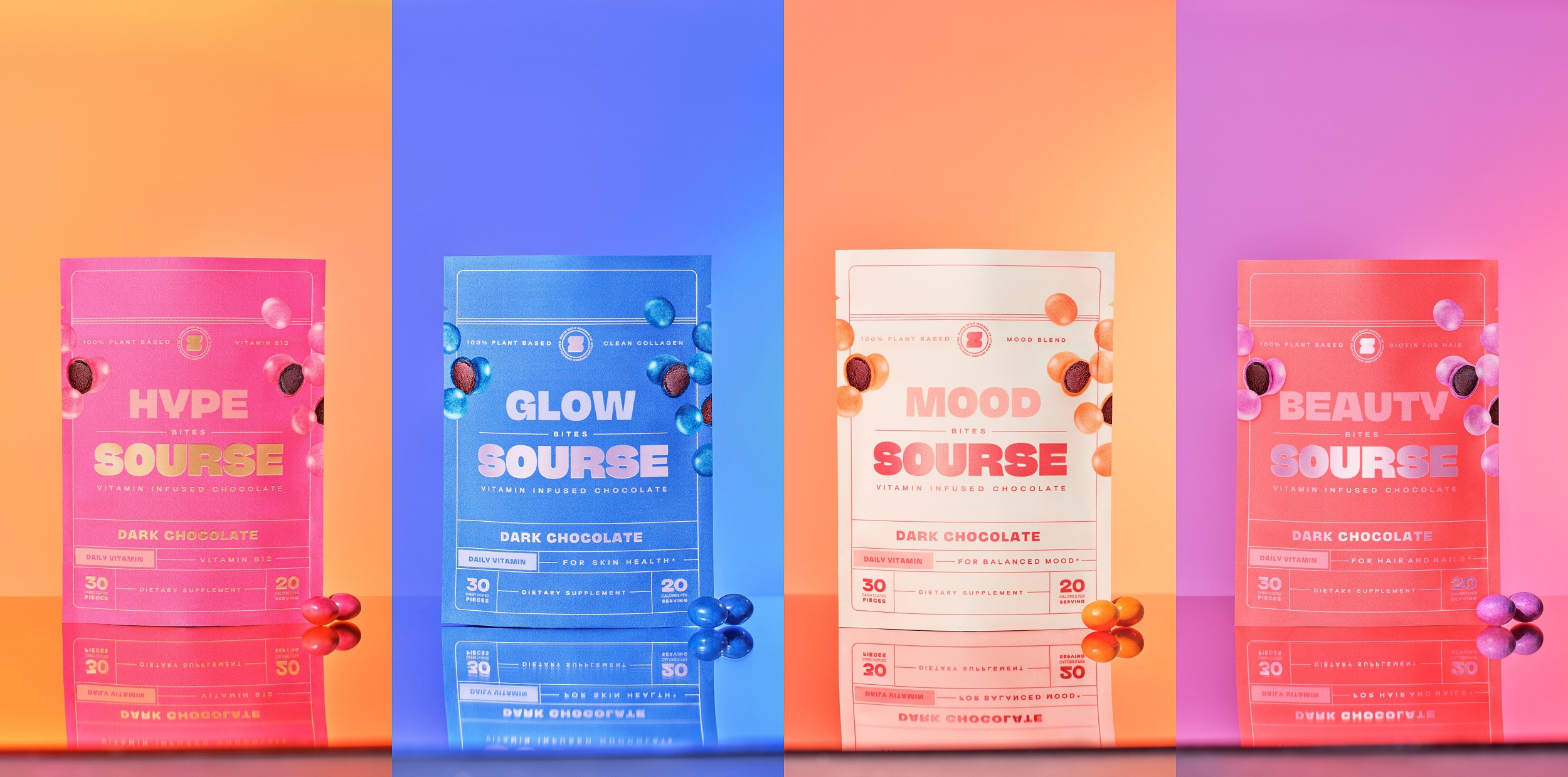
Pack size is becoming a competitive advantage.
Retailer insights show that smaller formats aren't replacing larger products. They're helping brands reach new shoppers, increase trial, and create additional purchase occasions. For retailers, the right pack size can influence everything from shelf productivity to inventory efficiency.

Lower Prices Create More First-Time Buyers
Retailers consistently report that shoppers hesitate when premium products require a large upfront purchase.
A smaller format removes that barrier by making products feel more accessible.
Retailers say smaller packs help:
- Encourage first-time purchases.
- Reduce hesitation around unfamiliar brands.
- Introduce premium products at a more approachable price.
- Convert trial into repeat purchases.
For many categories, a lower entry price matters more than the lowest price per serving.
Convenience Expands Where Products Can Sell

Smaller products fit into shopping occasions that full-size products often miss.
Retailers are using them beyond the primary shelf, creating additional opportunities for impulse purchases and incremental sales.
Common merchandising opportunities include:
- Checkout displays
- Grab-and-go coolers
- Endcaps
- Travel and convenience sections
- Cross-merchandising with complementary products
Instead of competing with larger packs, smaller formats create new purchasing occasions.
Affordability Matters Across Every Category

Retailers are hearing the same feedback across supplements, beverages, snacks, dairy, and functional foods.
Many shoppers shop with a spending limit in mind. Even when they believe a premium product offers better value, they're often more comfortable purchasing a smaller size first.
This makes smaller packs especially valuable for premium brands looking to reach more budget-conscious shoppers without lowering their price positioning.
Smaller Formats Make Retail Easier

The benefits aren't limited to shoppers.
Retailers also point to operational advantages that improve category performance.
Smaller packs can help retailers:
- Reduce shrink
- Improve inventory turnover
- Lower backstock
- Test new products with less risk
- Use shelf space more efficiently
For emerging brands, this can make retailers more willing to bring in new products.
Merchant Opportunity
Retailers should think about pack size as part of their assortment strategy, not just their packaging strategy.
Opportunities include:
- Stock both trial-size and full-size options to support different shopping missions.
- Introduce premium products through smaller entry-point formats.
- Merchandise smaller packs in secondary locations where impulse purchases are more likely.
- Monitor categories where shoppers regularly request smaller sizes, including supplements, beverages, dairy, and functional foods.
- Work with suppliers on right-sized case packs that improve inventory efficiency and reduce waste.
Cohere Commerce Takeaway
Retailer insights show that smaller pack sizes do more than improve convenience. They lower the barrier to trial, create new merchandising opportunities, improve inventory efficiency, and help premium brands reach more shoppers without sacrificing positioning. As retail becomes increasingly value-driven, offering multiple pack sizes is becoming one of the simplest ways to grow both sales and shopper reach.